24 hour support for existing clients



24 hour support for existing clients
Wave Fiber Technologies1 min read
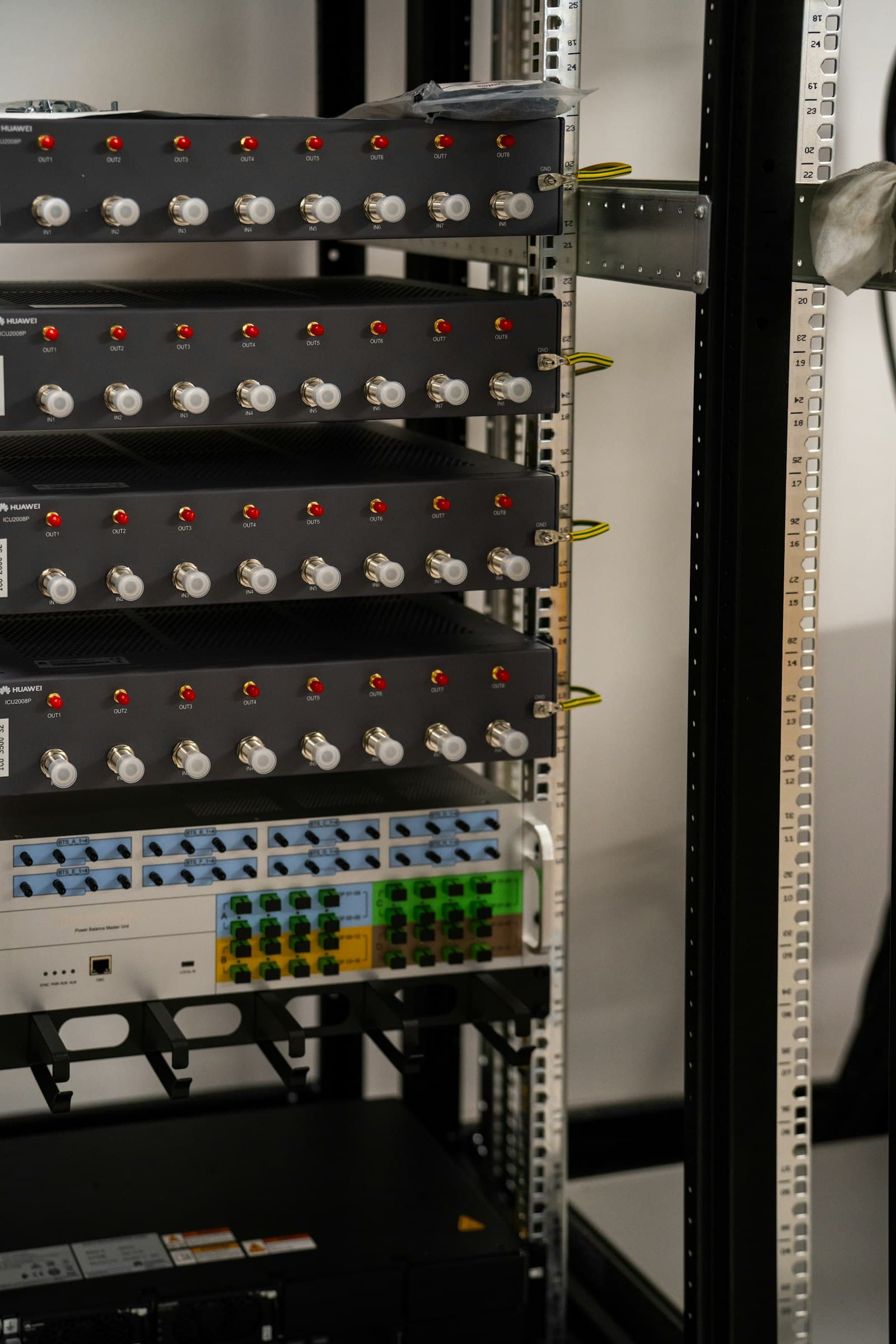
Plug a laptop into a new port, see a link light, get an address, load a page. It works. That test tells you almost nothing about whether the cabling meets the category it was sold as.
A link that carries traffic today can still be out of specification. Certification is the difference between a network you can build on and one you will rebuild.
Copper links fail slowly and quietly. A pair untwisted a few centimetres too far at the punch down, a bend tighter than the radius allows, a run laid alongside power for twenty metres: none of these stop a gigabit link on a quiet afternoon. They show up as retransmissions under load, as a port that drops during the busiest hour, as an intermittent fault that three engineers cannot reproduce.
Certification catches all of it at installation. A calibrated tester measures insertion loss, return loss, crosstalk and length against the standard for the category, and reports pass or fail per link. There is no opinion in it.
What matters is receiving the results. A certification report per port, tied to the labelling scheme and the port schedule, is a baseline you can measure against in three years when something changes. It also settles the argument about whether a fault is in the cabling or in the equipment, which is otherwise a week of everyone blaming the other party.
The cost of certifying is small next to the cost of not certifying: chasing an intermittent fault through a live building, or re-terminating a floor because the installation was never proven. It is the cheapest insurance in the whole project.
If a supplier will not certify, that is the answer to the question you were asking.
Written by the engineers who do the work, and worth reading against the date it carries: what is true of this equipment changes.



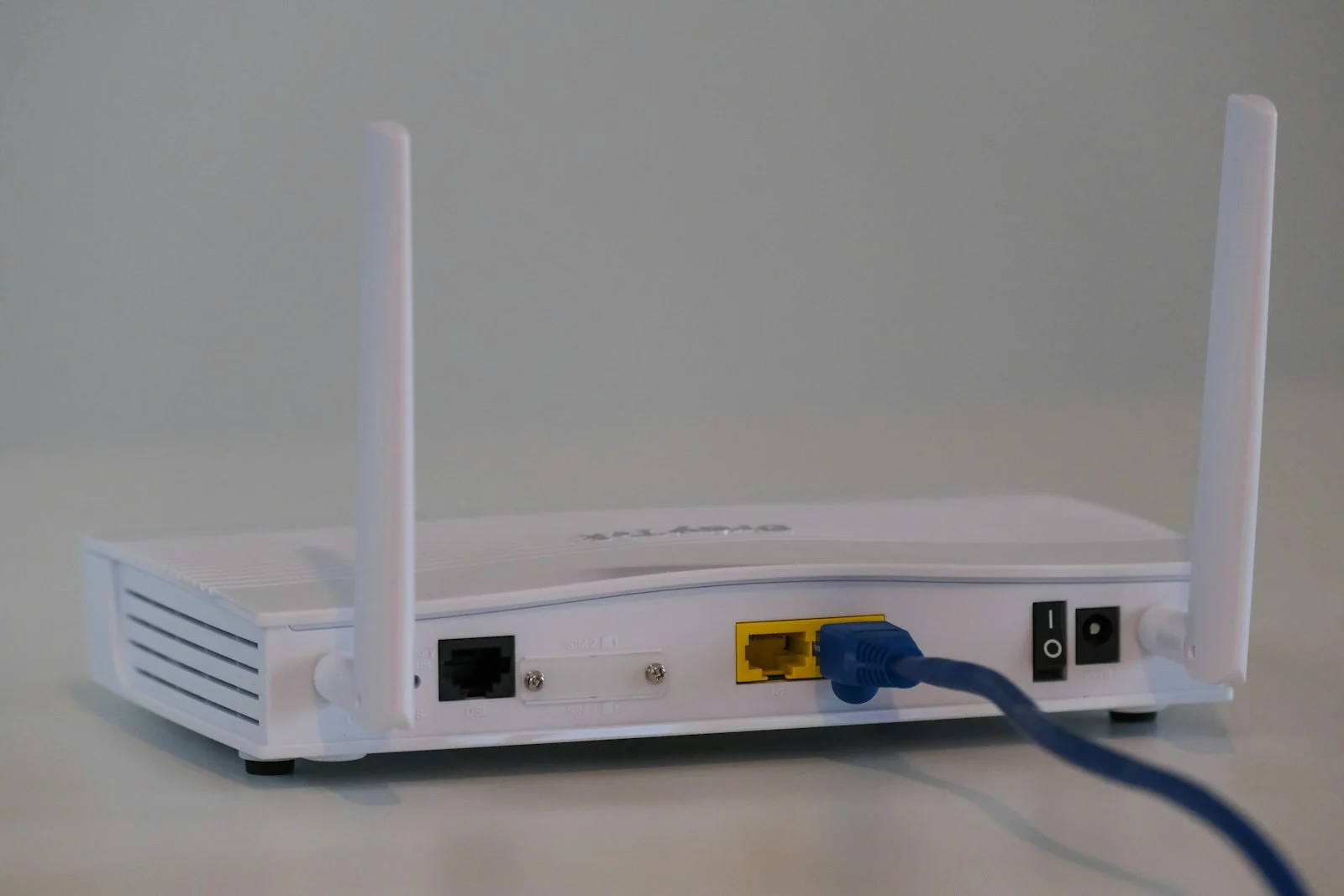

Send us the building, the distances and the problem you are solving. We will come back with a survey date and an honest view of what it takes.
Ask an engineer