24 hour support for existing clients



24 hour support for existing clients
Wave Fiber Technologies3 min read
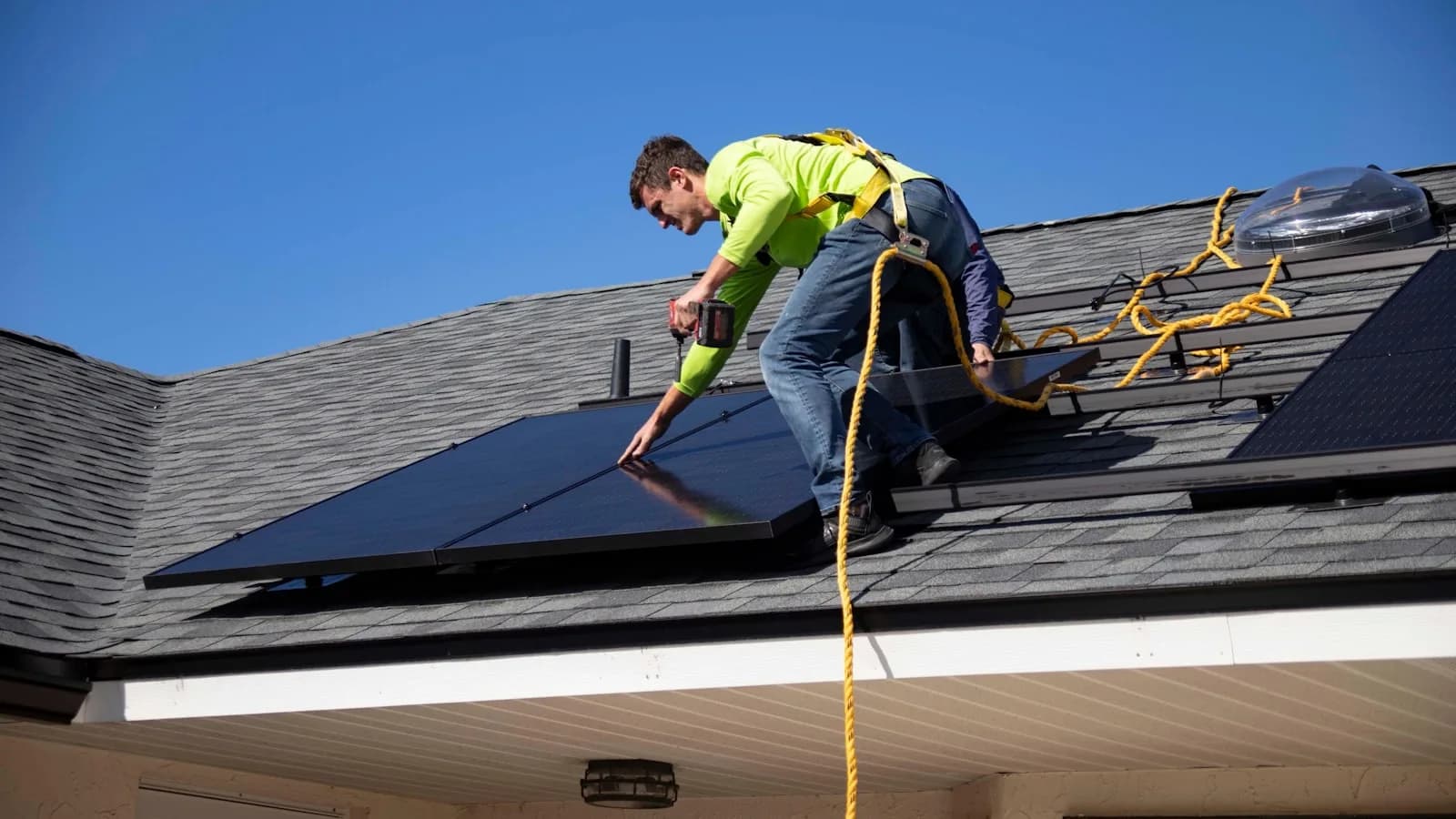
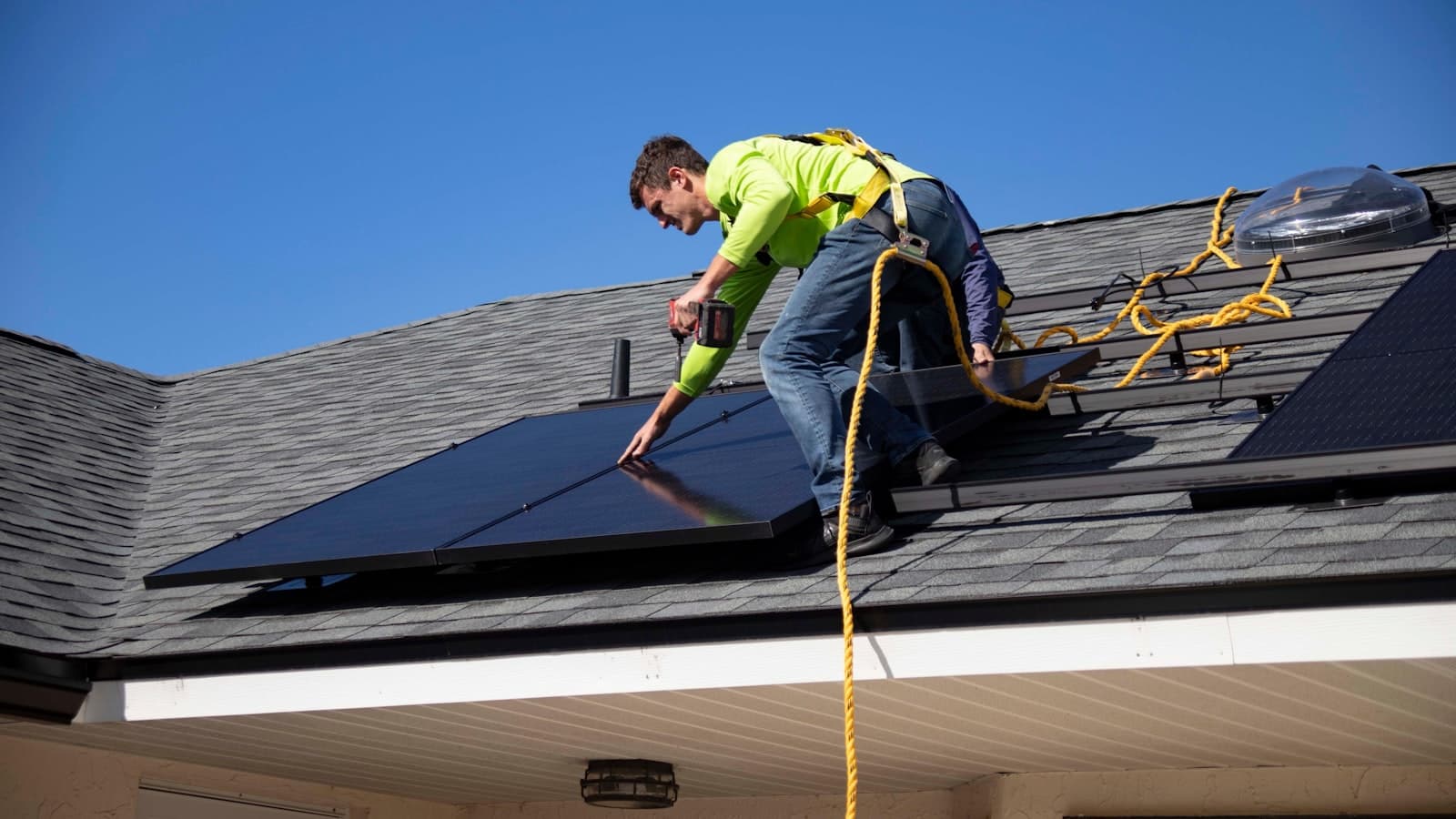
Solar is priced in three parts that people tend to see as one: the panels that make power, the inverter that turns it into something your sockets can use, and the batteries that keep it for the night and for outages. This guide prices each from our shop on 6 October 2026 and builds one complete home system from them.
A 5 kW hybrid home system with lithium storage comes to about KES 527,000 installed from our shop prices. The battery is the largest single line.
Panels are the cheapest part per watt and the easiest to add later. Our shop lists full-size panels from KES 10,500 to KES 24,000:
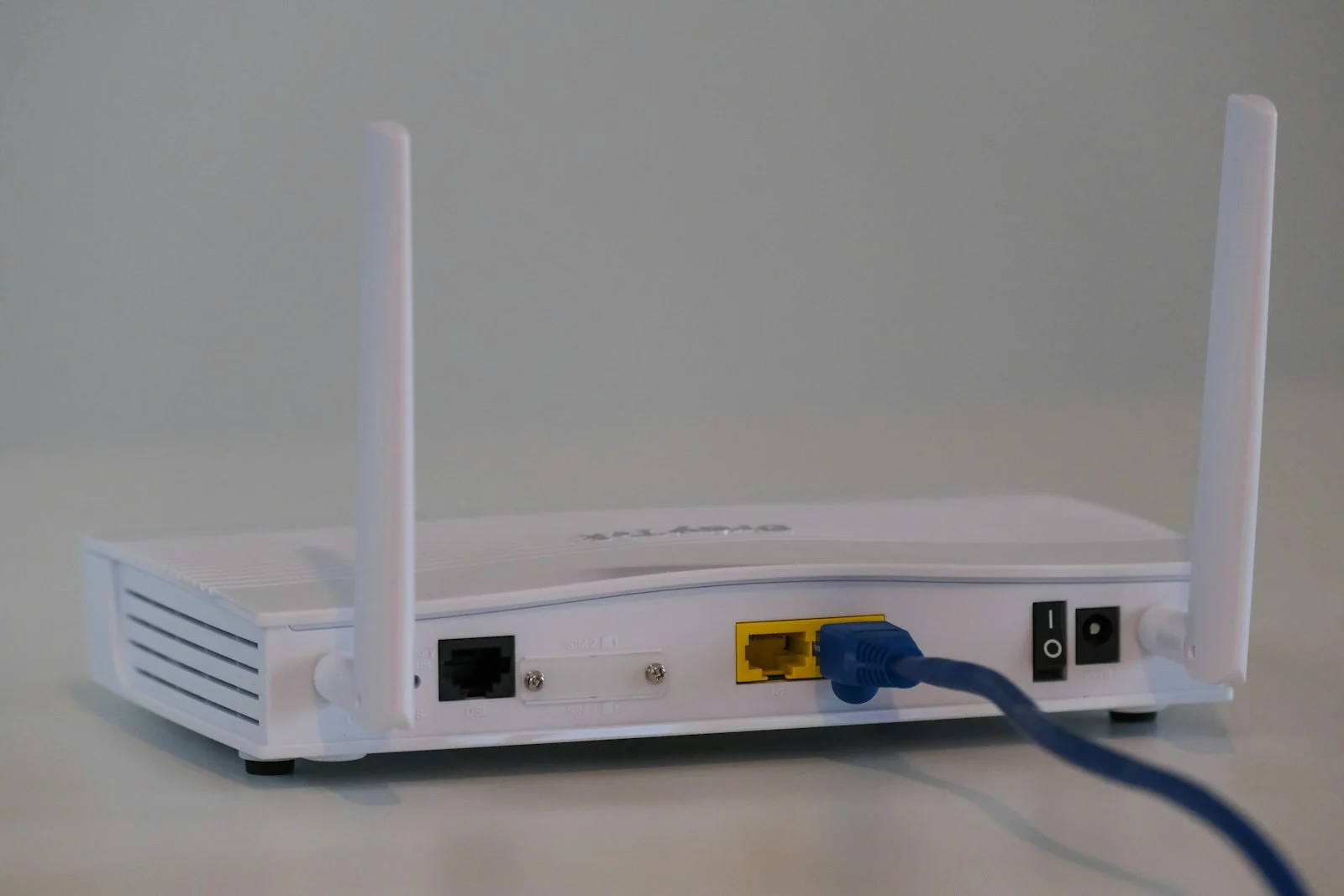
A hybrid inverter runs the panels, the batteries and the grid together, which is what most homes and offices in Kenya want because KPLC remains the fallback. Our Deye hybrid range is KES 112,000 for 3.6 kW, KES 133,500 for 5 kW, KES 138,000 for 6 kW and KES 218,000 for 8 kW, rising to KES 418,000 for 16 kW. Larger commercial inverters run from KES 230,000 to over KES 800,000.
This is the decision that moves the total most:
Lead-acid is cheaper to buy and should not be drained deeply, so much of its rated capacity is not usable day to day. Lithium costs more up front, can be discharged much further and lasts many more cycles, which is why it usually wins over the life of the system. The right answer depends on how many hours of backup you need and how often the power goes.
Mounting rails, DC and AC cabling, the combiner box and surge protection are left out of that figure because they depend on your roof and the distance to the distribution board. In our shop a surge protector is KES 2,900 and combiner boxes start at KES 2,500; the survey measures the rest.
If the goal is to ride through outages rather than to cut the bill, an inverter with batteries and no panels does that for less, and a UPS covers a single computer or network cabinet: our APC units start at KES 23,500 for 1200 VA.
The most expensive mistake in solar is sizing from the wrong list. Start with what must stay on and for how long, then size the battery, then the inverter, then the panels. Our article on sizing a backup system walks through it, and our engineers do the load count with you at a site survey before anything is quoted.
Written by the engineers who do the work, and worth reading against the date it carries: what is true of this equipment changes.


Send us the building, the distances and the problem you are solving. We will come back with a survey date and an honest view of what it takes.
Ask an engineer