24 hour support for existing clients



24 hour support for existing clients
Wave Fiber Technologies3 min read

Starlink changed home internet in Kenya: a household far from any cable can now get fast internet by putting a dish on the roof. We sell fibre, so we have an interest in this comparison, which is why every Starlink figure below is taken from Starlink's own Kenya website as published on 6 October 2026, and why we say plainly where Starlink is the better choice.
Starlink reaches places fibre never will. Where fibre does reach, it costs less to start, needs no hardware purchase and holds steady when the network is busy.
Starlink states that speeds are not guaranteed and are slower during times of congestion, and it offers a 30-day trial with a full refund. Prices change, so check starlink.com before you buy.
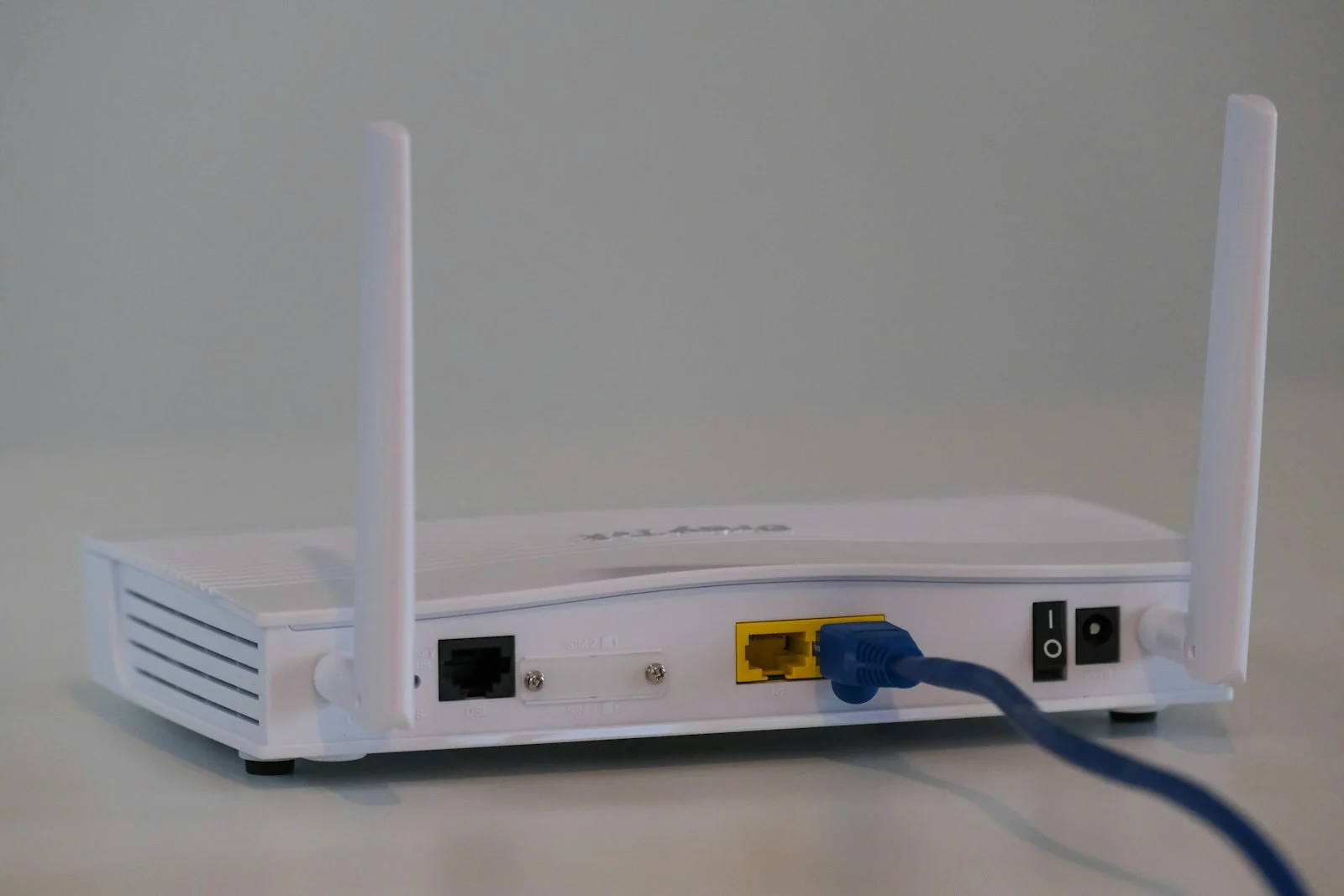
Every package includes a WiFi router and installation support, so there is no hardware to buy, and coverage is confirmed by a site survey before you commit.
On advertised peak speed, Starlink Residential Lite offers far more than our 30 Mbps Ultra package at the same KES 4,000 a month. If your household genuinely needs very high download speeds and you accept that they vary, that is a real advantage, and we will not pretend otherwise.
Fibre runs through a cable to your building, so it is not shared with everyone under the same patch of sky and is not affected by heavy rain or obstructions such as trees. The delay between sending and receiving is also lower on fibre than on satellite, which is what video calls, online gaming and remote desktop work feel most.
Fibre starts at KES 1,500 a month with nothing to buy. Starlink starts at KES 4,000 a month plus the hardware. For a small household that mostly browses and streams, fibre is the cheaper way in; for a household that needs the top speed, the comparison is closer.
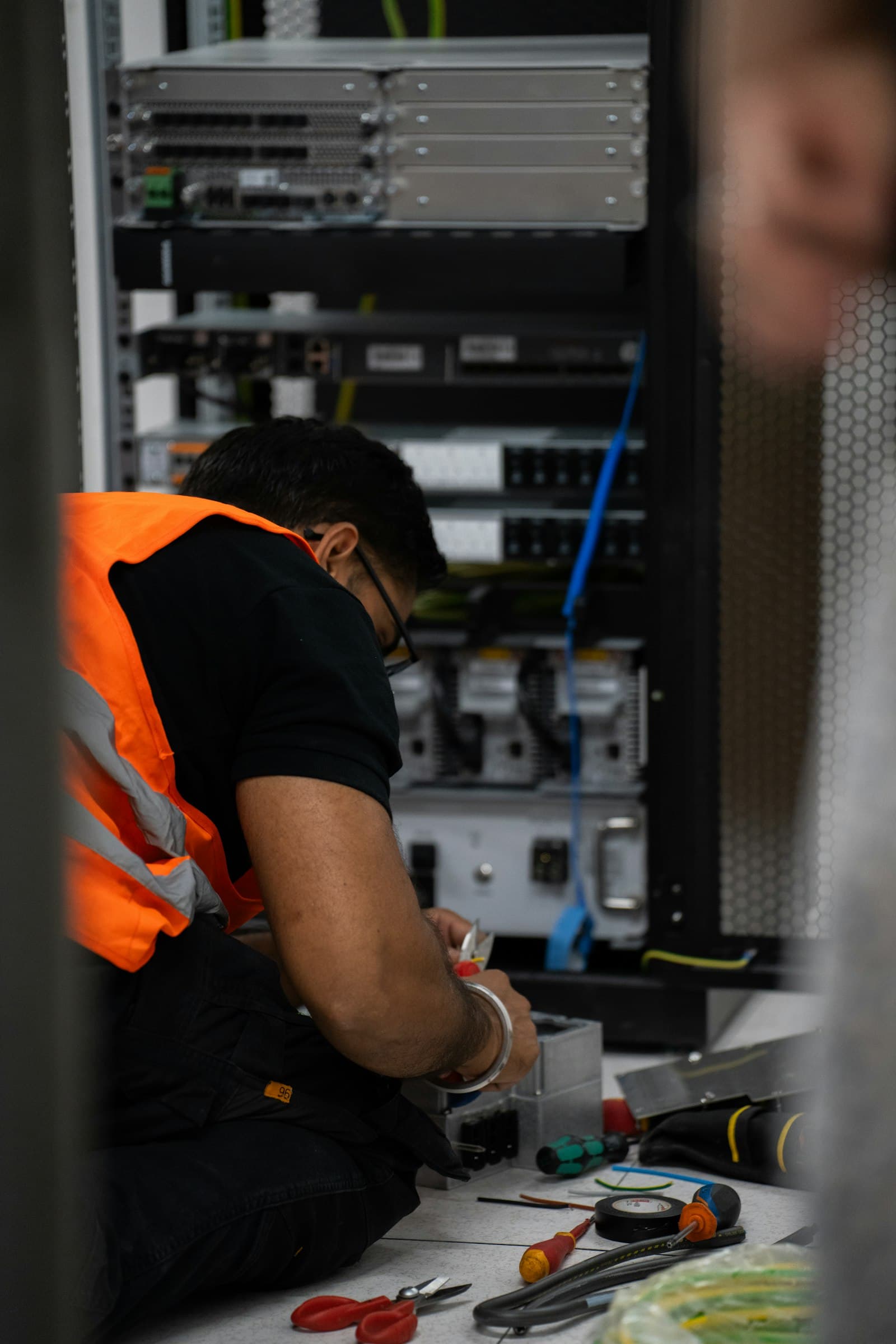
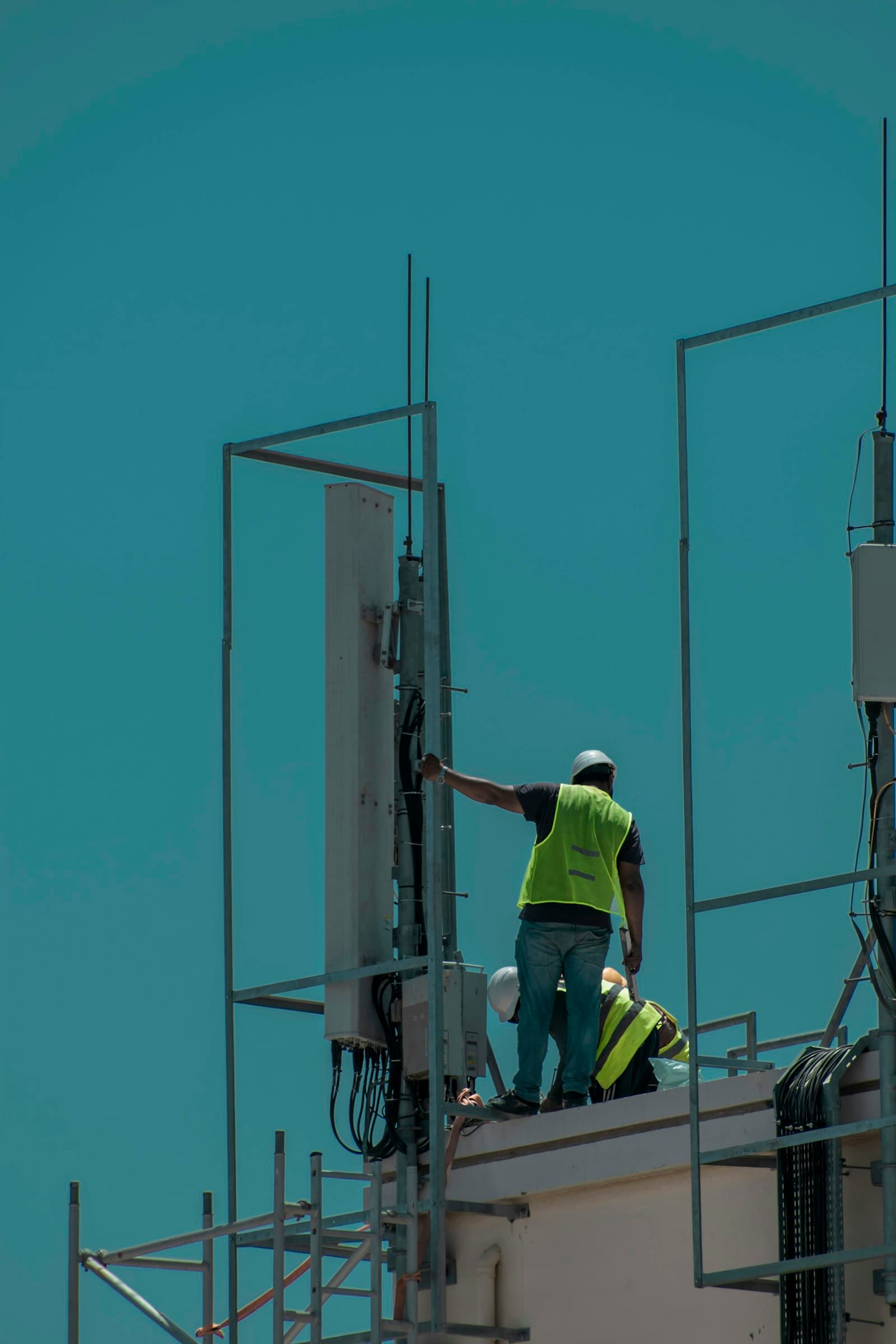
A fault on our fibre is ours to find and fix, by our own technicians working on Kenyan sites, and our support line stays open around the clock for existing clients. With Starlink, the hardware is yours to set up and look after, and support is through Starlink and its authorised resellers.
Not sure whether fibre reaches you? Check our coverage pages or book a site survey; if your building cannot be served, the survey will tell you before you have paid anything.
Written by the engineers who do the work, and worth reading against the date it carries: what is true of this equipment changes.
Send us the building, the distances and the problem you are solving. We will come back with a survey date and an honest view of what it takes.
Ask an engineer