24 hour support for existing clients


24 hour support for existing clients
Wave Fiber Technologies3 min read
The first question we are asked about an electric fence is how much it costs per metre. It is a fair question and a misleading one, because the metre rate is the part of the quotation that varies least. Two fences on identical perimeters can differ by half, and the difference is almost never in the wire.
Perimeter length is the number everyone asks for and the one that explains the least about what a fence will cost.
Start with what the fence is mounted on. A straight, sound, level wall is the cheap case: brackets go up at a regular spacing and the run is quick. A wall with corners every few metres needs a bracket at every one of them. A wall that is crumbling at the top needs repair before anything is fixed to it. A boundary that is hedge or chain link rather than masonry needs its own posts, which is a different job with a different price.
Then the number of zones. A single zone is one energiser watching one loop, and when it alarms you know only that something touched the fence. Splitting the perimeter into zones tells you which side, which is what makes a response possible on a large site at two in the morning. Each zone adds hardware and adds labour, and on a plot of any size it is usually worth it.
The energiser itself is sized to the total length of live wire, not to the perimeter, and those are different numbers. A six strand fence on a hundred metre wall is six hundred metres of wire. Under-size the energiser and the fence is weak at the far end, which is exactly where nobody is watching.
Earthing is the line item that gets cut and should not be. A fence with a poor earth delivers a weak shock in dry weather and a worse one as the ground changes, and the symptom looks like a failing energiser rather than a failing earth. Doing it properly means rods driven to depth in the right place, and it costs what it costs.
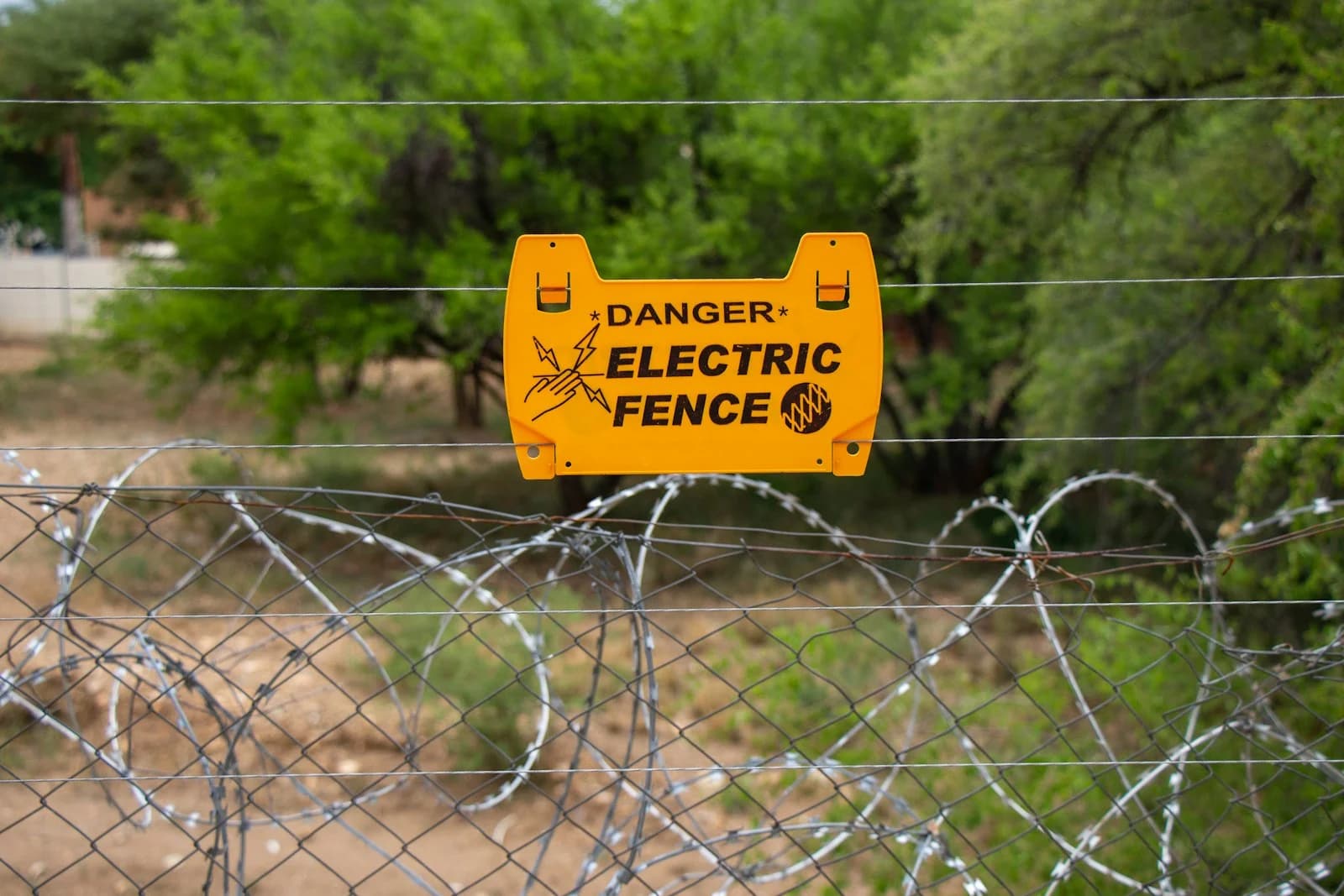
After that come the things that are easy to forget at quotation stage and obvious later. Warning signage at the intervals the standard asks for. A gate that has to be bridged without leaving a gap in the fence. Battery backup, so the fence stays live through an outage rather than becoming a wall with wire on it. A siren, and something to connect it to. Certification by the licensed installer who did the work.
When you compare quotations, compare those. Ask how many zones, what the energiser is rated at, how many earth rods and where, whether backup is included, and whether the certificate is in the price. A cheaper quotation that is one zone, a small energiser, one earth rod and no certificate is not the same fence at a better price. It is a different and worse fence, and the gap will show up in the first storm.
We survey before we quote, for this reason. The wall decides most of the cost, and nobody can price a wall they have not walked.
Written by the engineers who do the work, and worth reading against the date it carries: what is true of this equipment changes.


Send us the building, the distances and the problem you are solving. We will come back with a survey date and an honest view of what it takes.
Ask an engineer