24 hour support for existing clients


24 hour support for existing clients
Wave Fiber Technologies2 min read
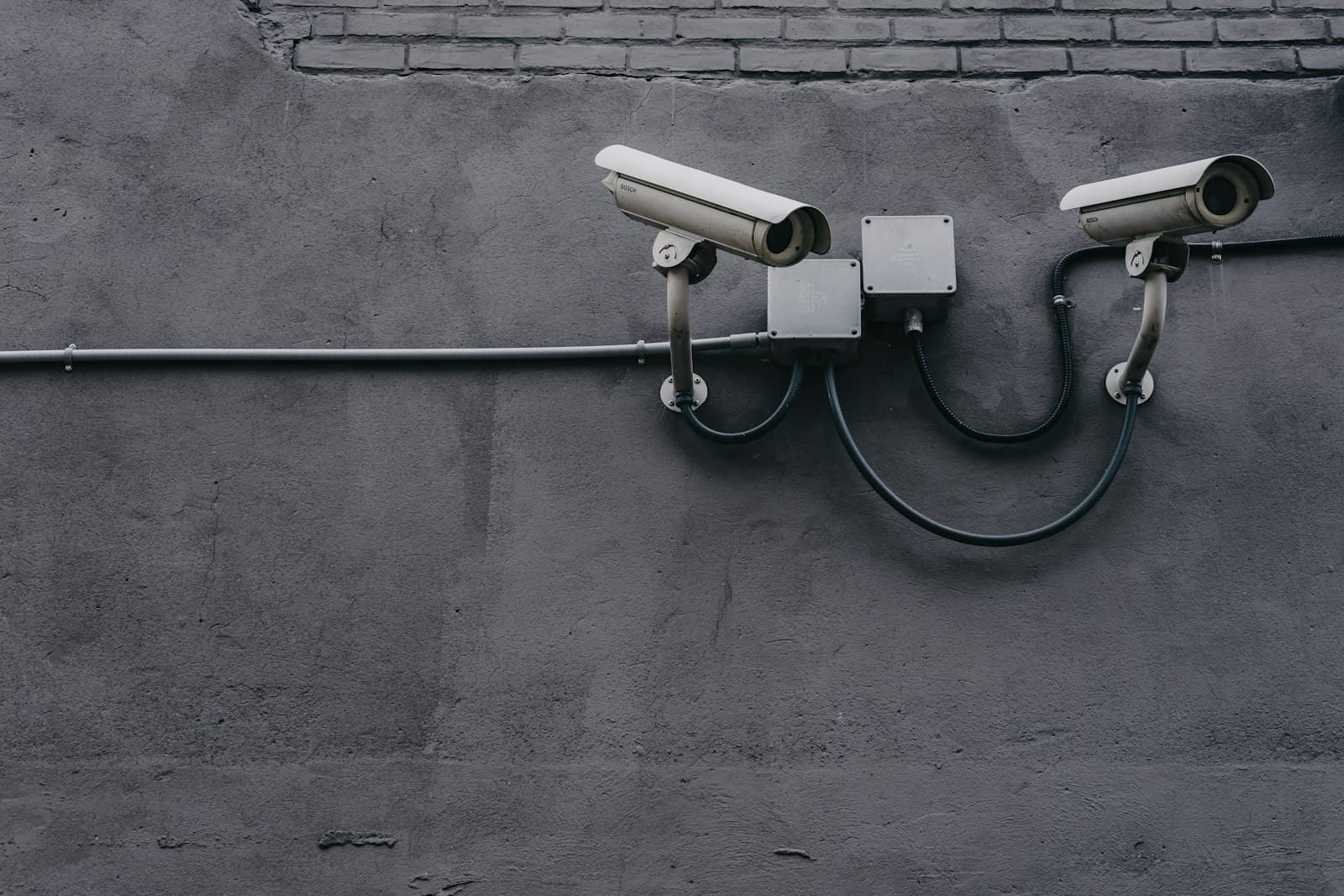
An electric fence is one of the few security products that can injure someone. That single fact should shape how it is specified, installed and signed off, and it is the reason the cheapest quotation is so often the one to be most careful with.
A perimeter fence is a safety installation as much as a security one. The questions worth asking are the ones about liability.
A correctly designed perimeter fence uses an energiser that delivers a short, controlled pulse rather than a continuous current. The pulse is intended to deter, and the interval between pulses is what allows someone who has made contact to let go. Equipment that does not behave this way, or that has been modified to increase output, moves the installation from deterrent to hazard.
Warning signage is not decoration and it is not optional. Signs at intervals along the fence, and at every gate and access point, are how a passer-by is told the fence is live. If an injury occurs on an unsigned fence, the absence of those signs is the first thing that will be raised, and it is entirely within the owner control.
Earthing is the part nobody sees and the part that determines whether the system behaves as designed. A poorly earthed fence performs inconsistently and can put current where it was not intended. Ask what earthing was installed and whether it was tested, and expect the test result as part of the handover rather than a verbal assurance.
On the regulatory side, requirements for perimeter fencing in Kenya can involve county approvals and the standards applying to the equipment itself, and they vary by location and property type. This is worth confirming with your county authority and your installer for your specific site rather than assuming - and it is a reasonable thing to expect an installer to raise with you before work begins, not afterwards.
Finally, ask what happens when it fails. A fence that has stopped pulsing looks exactly like one that is working, which is a dangerous kind of failure - the property is unprotected and nobody knows. Monitoring that alarms on loss of pulse, and a servicing arrangement that checks output rather than waiting for a break-in to reveal the problem, are what turn an installation into ongoing protection.
Written by the engineers who do the work, and worth reading against the date it carries: what is true of this equipment changes.
Send us the building, the distances and the problem you are solving. We will come back with a survey date and an honest view of what it takes.
Ask an engineer