24 hour support for existing clients


24 hour support for existing clients
Wave Fiber Technologies2 min read
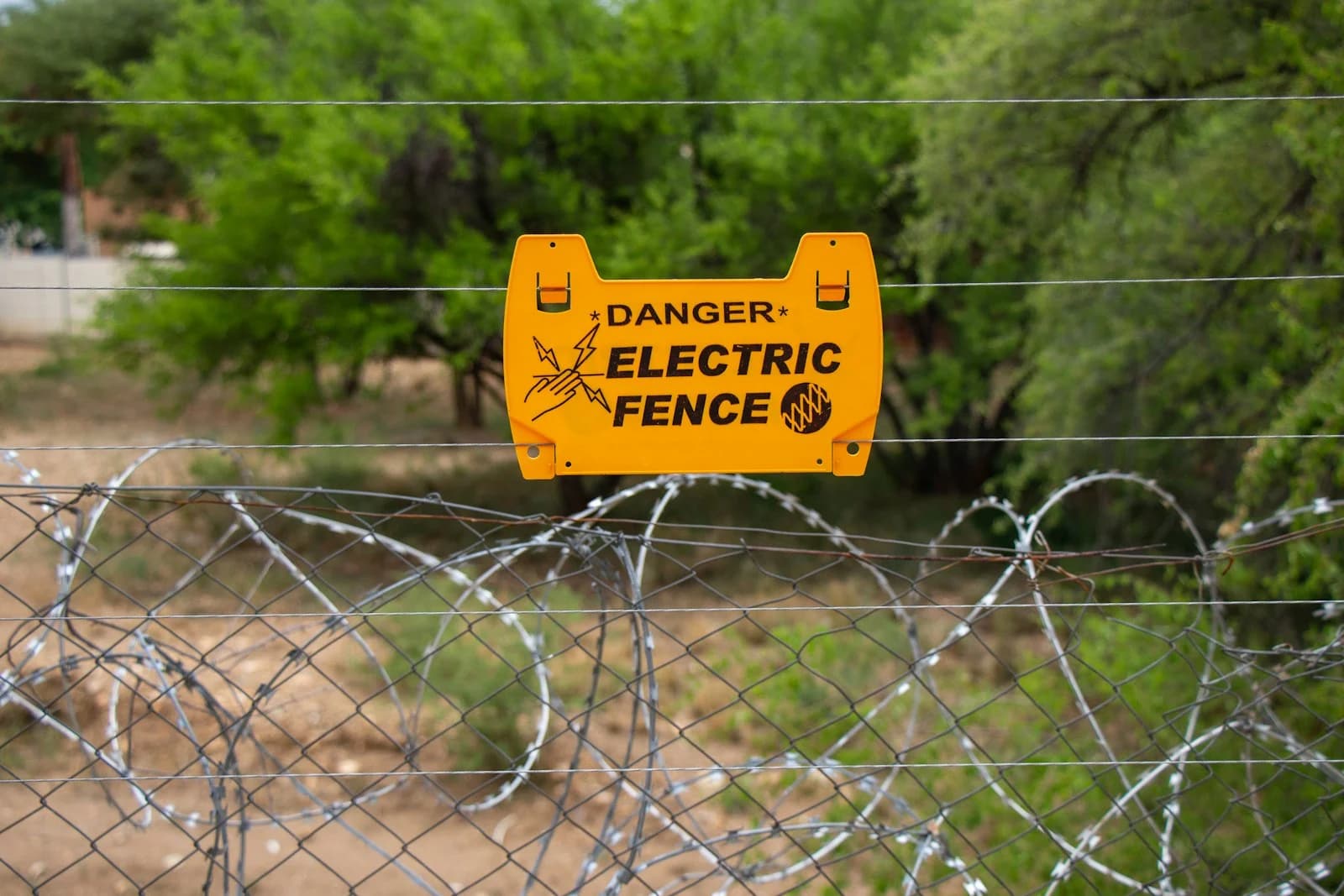
Most people budget for an electric fence the way they budget for a gate: a price for the hardware and a price for putting it up. Then the insurer asks for the certificate, or a neighbour complains, and it turns out the fence is not a product that was bought but an electrical installation that was carried out, and the difference is the whole of the compliance problem.
The energiser is the cheap part. What makes a fence legal is who installed it and what they signed afterwards.
In Kenya an electric fence carries real legal weight. The system has to be installed by someone licensed to install it, and the installation has to be certified once it is finished. That certificate is not a receipt and not a warranty. It is the document that says a qualified person energised this fence and found it within the standard, and it is the first thing anyone asks for when something goes wrong.
The practical consequence is that you cannot buy a fence from one supplier, have it fitted by whoever is on site, and obtain the paperwork afterwards. The person who signs has to have done the work or supervised it. We have been asked several times to certify a fence somebody else put up, and the honest answer is that we cannot: we would be signing for joints we never saw and earthing we never tested.
Local approval is the second half. Counties have their own rules about perimeter structures, and a fence on a boundary wall in a residential area is not automatically permitted because the wall is yours. Height, warning signage and what sits on the far side of the boundary all come into it. This is worth settling before the wall is built, not after, because the cheapest version of this problem is a drawing and the most expensive is a fence that has to come down.
Then there is the question nobody asks until it matters, which is who is liable when somebody is hurt. An energiser built to standard delivers a shock that is unpleasant and not dangerous, which is the entire design intent. A fence that has been extended by an unqualified hand, fed from the wrong supply, or left with a failed earth is a different object, and the owner is the person holding it. Certification and a maintenance record are what let you show the fence was in the condition it was signed off in.
None of this is a reason to avoid an electric fence. It is a good deterrent, it works at night, and it costs less to run than the lighting around it. It is a reason to treat the installer as the thing you are actually choosing. Ask who will sign the certificate, ask to see their licence, and ask what the maintenance interval is before you compare any two quotations on price.
If a quotation is cheaper than the others and does not mention certification at all, that is not a discount. It is the paperwork missing from the price.
Written by the engineers who do the work, and worth reading against the date it carries: what is true of this equipment changes.
Send us the building, the distances and the problem you are solving. We will come back with a survey date and an honest view of what it takes.
Ask an engineer