24 hour support for existing clients


24 hour support for existing clients
Wave Fiber Technologies2 min read
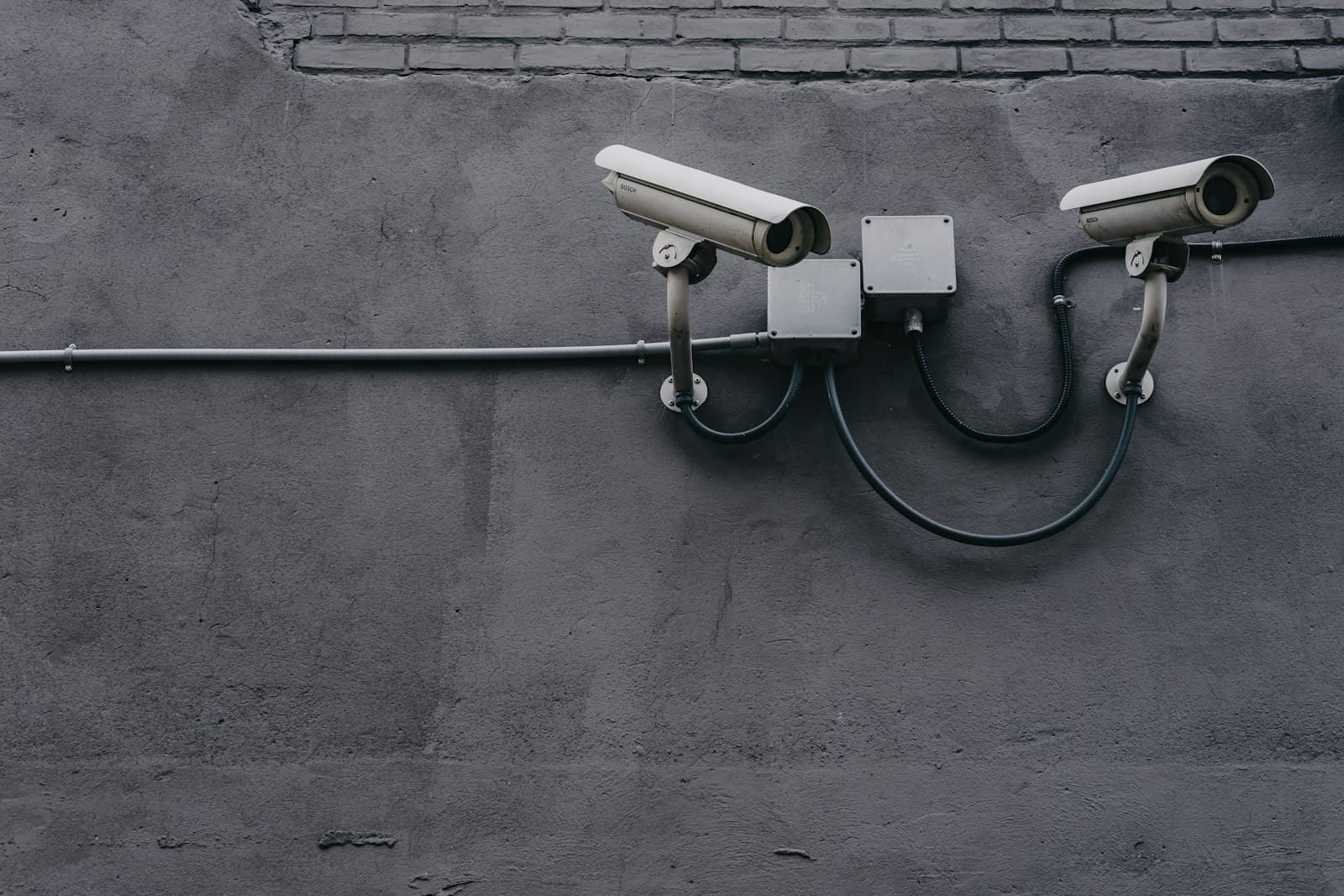
Almost every CCTV enquiry specifies the number of cameras and the resolution. Very few specify how long the footage is kept, which is the number that decides whether the system is useful on the day something happens.
Retention is the specification most people guess at, and the one they discover was wrong on the day they need the footage.
The problem is that incidents are frequently discovered late. A theft from a store room, a delivery that never arrived, a dispute about who was on site - these surface days or weeks after the event, not while they are happening. A system holding seven days of footage records everything faithfully and then quietly overwrites the evidence before anyone thinks to look for it.
Retention is driven by four things: the number of cameras, the resolution each records at, the frame rate, and how much of the day they are actually recording. The last one is the lever most people do not know they have. A camera recording continuously produces far more footage than one recording on motion, and for a store room that is empty most of the night, continuous recording is mostly footage of an empty room.
That said, motion recording has a real trade-off and it should be stated rather than glossed over. Motion detection can miss the beginning of an event while it triggers, and poorly configured it can be set off by rain, insects or a moving tree until the disk fills with nothing. The usual answer is a mix: continuous on the entrances and points of sale where the first two seconds matter, motion elsewhere.
A reasonable way to specify it is to ask how long it realistically takes your organisation to notice a problem, then set retention comfortably beyond that. For many businesses that is thirty days rather than seven. The cost difference is disk, which is the cheapest part of a CCTV system and the part most quotations trim first to make the total look competitive.
It is worth asking a supplier to state the retention their quote actually achieves, at the resolution and frame rate they are proposing, rather than the disk size. Disk size on its own tells you nothing without those numbers, and two systems with identical storage can differ by weeks in what they will still hold when you need it.
Written by the engineers who do the work, and worth reading against the date it carries: what is true of this equipment changes.
Send us the building, the distances and the problem you are solving. We will come back with a survey date and an honest view of what it takes.
Ask an engineer