24 hour support for existing clients


24 hour support for existing clients
Wave Fiber Technologies2 min read
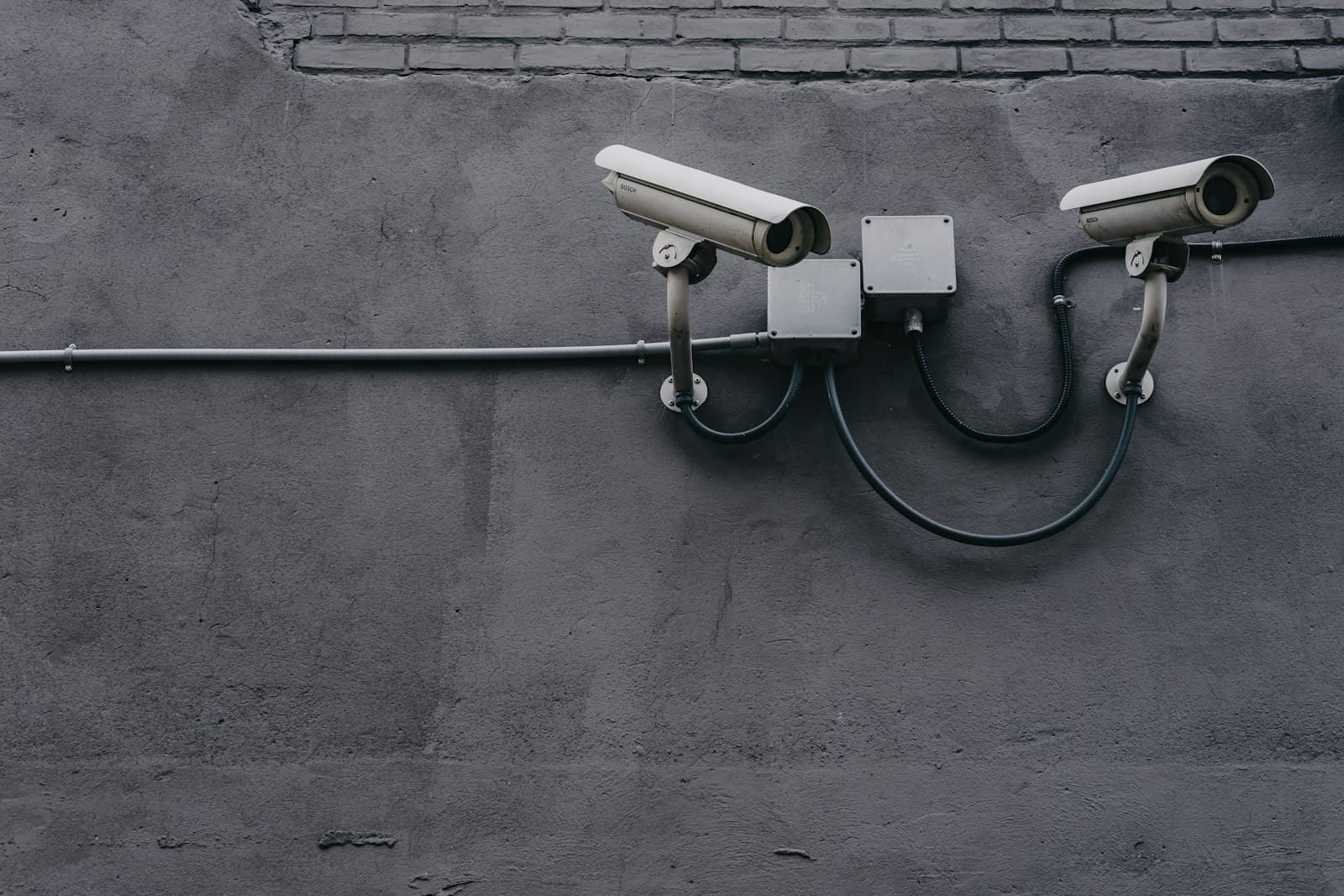
CCTV proposals still tend to be framed as a choice between IP and analogue, usually with IP presented as modern and analogue as what you settle for. The real distinction is narrower than that, and for most sites it comes down to cabling rather than image quality.
The resolution argument is largely settled. What still decides the question is what is already in your walls.
Modern analogue systems carry high definition video over the coaxial cable that older installations already use. That matters enormously in a building that is already cabled: upgrading the cameras and the recorder can lift an aging system to usable resolution without opening a single wall. Where coax is already run to sensible positions, that is often the sensible route, and a supplier who dismisses it out of hand is not costing the job honestly.
IP cameras run on network cable and bring genuine advantages that are not about resolution. One cable carries both power and video, so a camera needs no separate power supply at its position. Cameras can be added anywhere the network reaches. Analytics that run on the camera itself - line crossing, loitering, counting - are far more capable, and remote access is generally cleaner.
The cost comparison is rarely about the cameras. It is about what has to be installed to reach them. In a new building, or one being refurbished, running network cable is straightforward and IP is usually the better long-term decision. In an occupied building with sound coax already in place, the cabling cost is what tips it, and it can tip it decisively.
One thing worth insisting on regardless of which you choose is that the recorder and the cameras are specified together. A high resolution camera recording to a device that cannot store or process it at full quality is a specification that looks good on the quotation and disappoints in the footage, and it is a surprisingly common mismatch.
Ask a supplier to survey what cabling exists before they propose either. A proposal written without knowing what is in the walls is priced on assumptions, and those assumptions are what produce the variation you will discover mid-installation.
Written by the engineers who do the work, and worth reading against the date it carries: what is true of this equipment changes.
Send us the building, the distances and the problem you are solving. We will come back with a survey date and an honest view of what it takes.
Ask an engineer