24 hour support for existing clients


24 hour support for existing clients
Wave Fiber Technologies2 min read
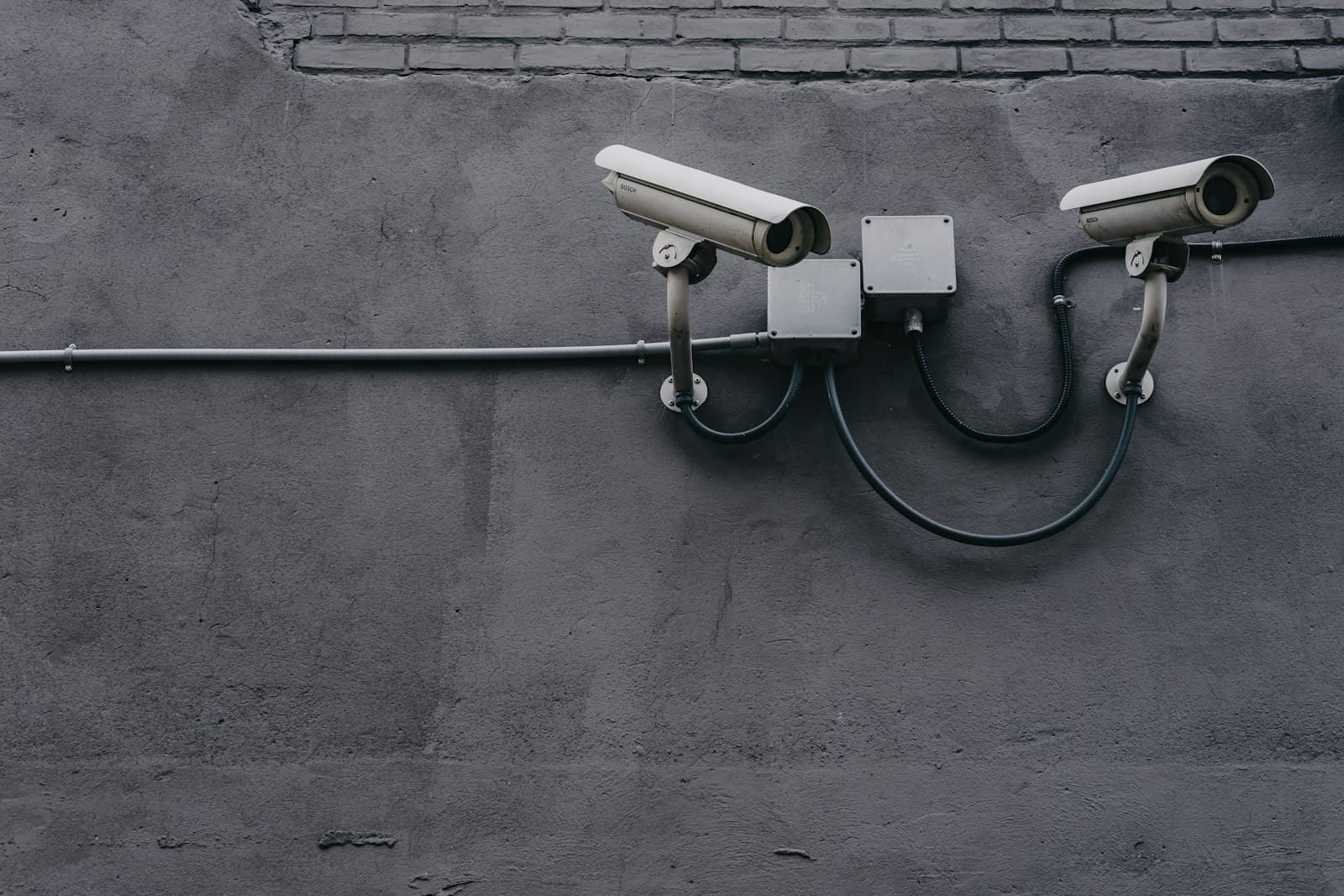
The most common complaint about a CCTV system is not that it failed to record. It is that the footage existed and was useless: a figure at the far end of a yard, a plate that blurs when paused, a face lost in the glare of a doorway at dusk.
Most CCTV systems that disappoint were designed by counting cameras. The ones that work were designed by deciding what each camera has to prove.
That outcome is designed in from the start, because the system was specified as a number of cameras rather than as a set of questions. A camera count says nothing about whether the image will answer anything.
The alternative is to write down what each view must prove. Detection tells you something is there. Recognition tells you it is a person you know. Identification tells you who, to a standard that survives being questioned. Each level needs a different number of pixels across the target, and that requirement fixes the lens, the mounting height and the distance before any product is chosen.
Lighting decides the rest. A camera specified for a bright yard will fail at the same yard at 7pm, and a doorway with the sun behind it needs handling in the design rather than in the settings afterwards. Where a view genuinely cannot be lit, thermal or infrared belongs in the specification, not in a later complaint.
Then retention. Storage is arithmetic: cameras, resolution, frame rate, compression and the number of days you must be able to go back. Insurers and regulators often set that last figure, so it should be stated before recording hardware is priced, not rounded to thirty days by habit.
Finally, the export. Footage that cannot be pulled and handed over cleanly is not evidence. The people who will do that under pressure should have done it once, in training, on a calm afternoon.
A system built this way costs what it costs and answers the question it was bought to answer. That is the whole test.
Written by the engineers who do the work, and worth reading against the date it carries: what is true of this equipment changes.
Send us the building, the distances and the problem you are solving. We will come back with a survey date and an honest view of what it takes.
Ask an engineer