24 hour support for existing clients


Access control
24 hour support for existing clients
Wave Fiber Technologies3 min read
People ask what an access control system costs, and the only honest first answer is a question: how many doors, and what kind. The software and the controller are a fixed cost that stops mattering as the site grows. Almost all of the money is in the doors, and the range between a cheap door and an expensive one is wider than most people expect.
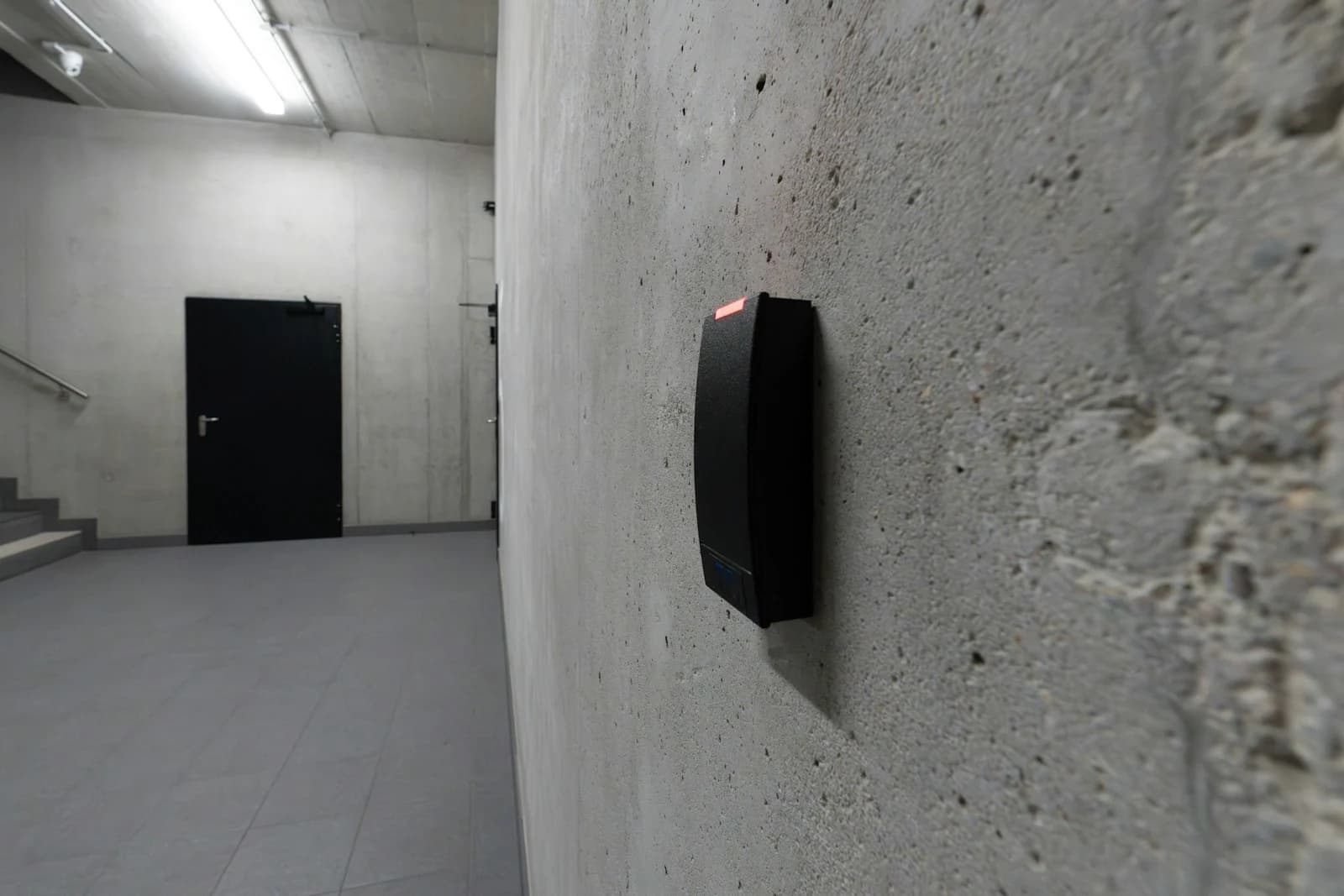
A reader is a small part of the bill. What a door costs depends on what has to happen when the power fails.
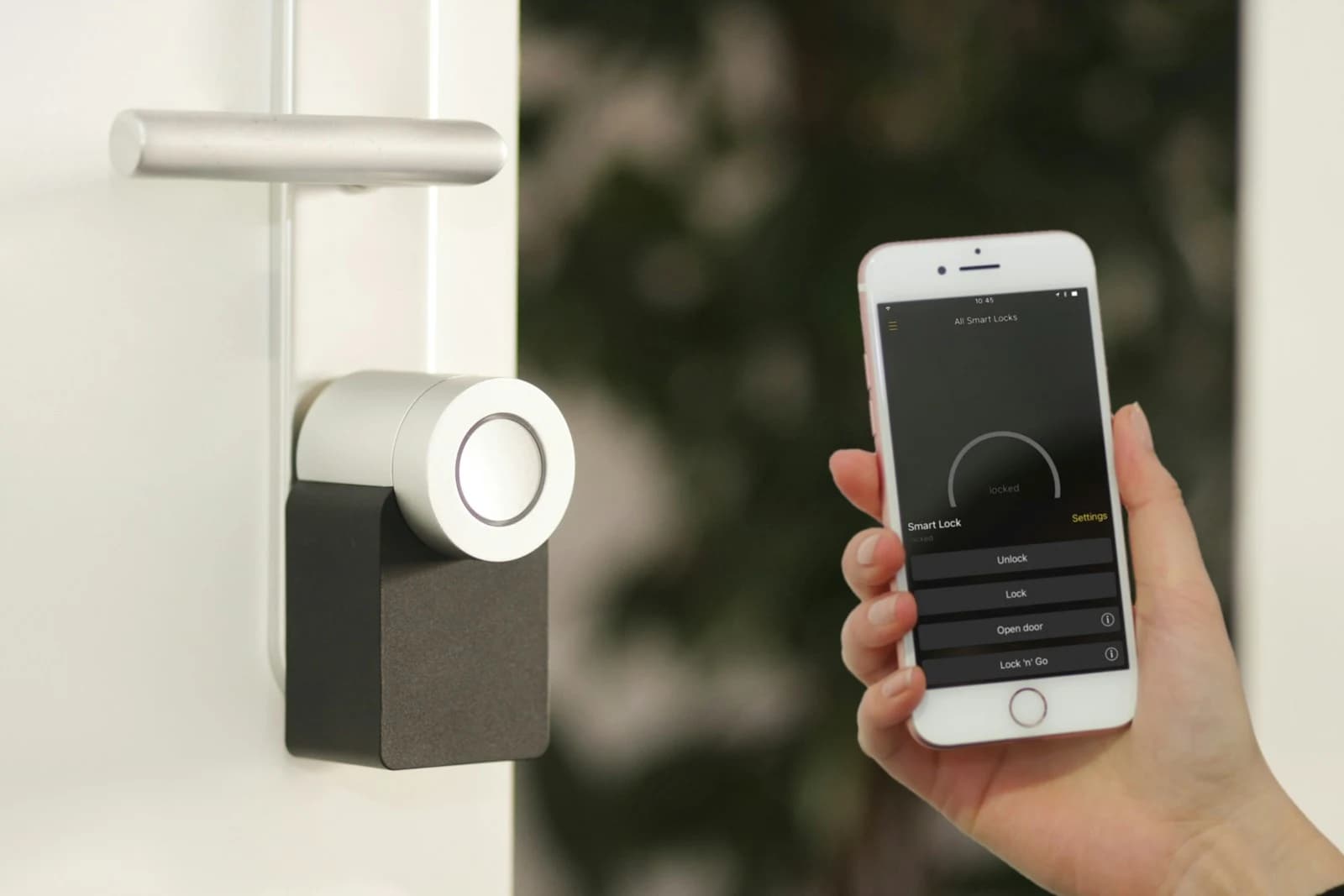
The cheapest door is a standalone lock. It carries its own battery, its own credentials and its own small memory, and it needs no cable. That is why it suits a hotel room or a store cupboard. It is also why it cannot be part of a live system: you cannot cancel a card from a desk, and you read the log by walking to the door.
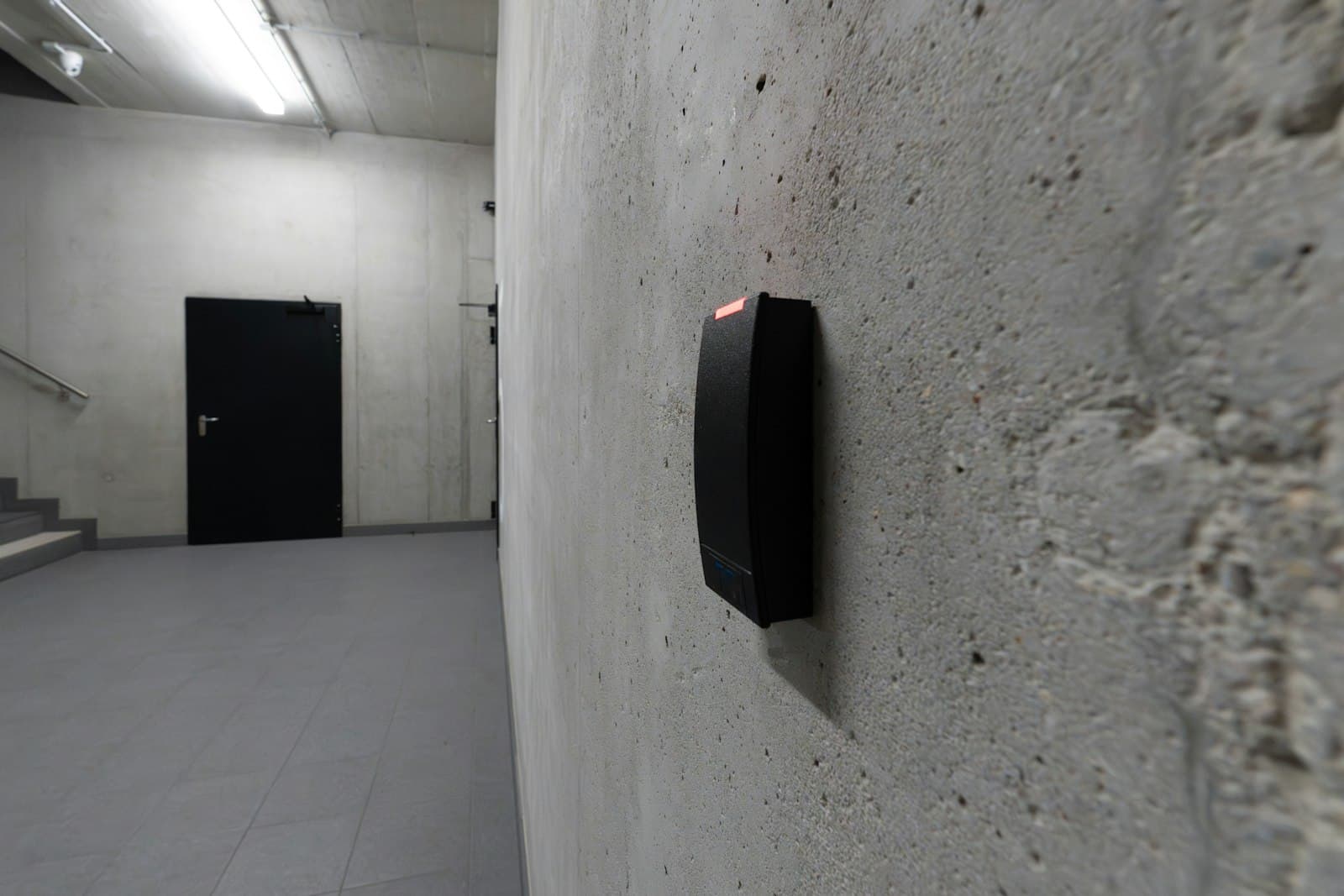
A wired door is the other model, and it is the one that costs. It needs a reader outside, a lock on the door, a way to request exit from the inside, a contact to say whether the door is actually shut, and a cable back to a controller. The cable is frequently the single largest line: a door thirty metres from the panel through a finished ceiling is a morning of work, and a door in a building that has already been plastered is worse.
The lock hardware itself depends on what has to happen in a fire. A door that must unlock when power is lost takes one type; a door that must stay locked takes another; and a door on an escape route needs a green break-glass and a route for the signal. That decision belongs on a drawing with the fire strategy beside it, and it is settled before anything is ordered, because changing it later means changing the ironmongery.
Credentials are a recurring cost people forget. Cards are cheap individually and not free in quantity, and they are lost at a steady rate. Fingerprint readers remove the card and add their own problems: dusty or wet hands on an industrial site read badly, and a biometric template is personal data you are now responsible for holding. Phone-based credentials avoid both and assume every user has a suitable phone and will keep the app installed.
Then the things outside the door count. A controller has a fixed number of doors on it, so door nine can cost more than doors two to eight because it needs the next panel. Power supplies and their batteries have to be sized for the locks, not bought as an afterthought. And if the point of the system is the record, somebody has to hold that record somewhere it survives the controller being stolen.
The useful way to budget is to list your doors and sort them: which are standalone candidates, which must be wired, and which are on an escape route. That list turns a vague figure into a real one, and it usually shows that a smaller number of properly done doors beats a site-wide system bought thin.
Written by the engineers who do the work, and worth reading against the date it carries: what is true of this equipment changes.
Access control

Access control
Access control
Access control


Send us the building, the distances and the problem you are solving. We will come back with a survey date and an honest view of what it takes.
Ask an engineer