24 hour support for existing clients


24 hour support for existing clients
Wave Fiber Technologies2 min read
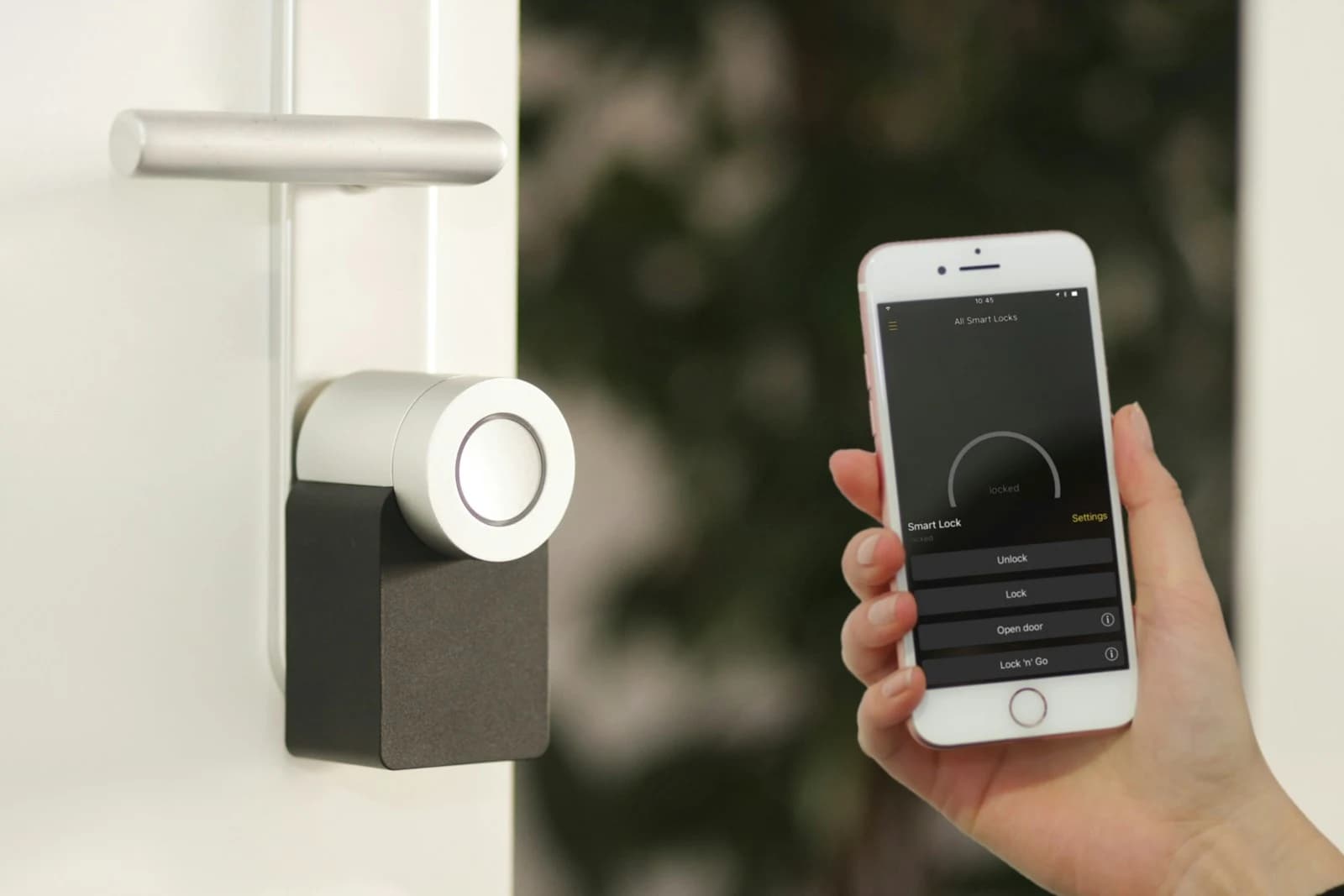
A hotel has a front desk. A short-stay flat has a lock, and that lock is doing the entire job of arrival: letting the right person in, at the right time, without you driving across Nairobi at midnight to hand over a key. It is the difference between a property you manage and a property that manages itself, and most owners choose it on price.
If you let a flat by the night, the lock is the only member of staff you have. It is worth choosing it like one.
The mechanism that matters is the one-time or time-bounded code. A guest is given a code that starts working at check-in and stops working at check-out, and neither event needs you to be present or even awake. Compare that with the two common alternatives. A key under a mat is a key every previous guest knows about. A key handed over in person means your day is set by somebody else's flight.
The second thing that matters is the record. When a guest says they could not get in, or when something is missing, the lock can tell you when the door opened and on which code. That single fact resolves most disputes before they become a review.
Now the failure modes, which the product pages do not lead with.
Batteries go flat, and they go flat with a guest outside. A lock that warns you weeks ahead, and that can be powered from outside for long enough to open once, is worth paying for. So is a physical key override kept with somebody nearby who is not you.
Connectivity is the other one. A lock that needs the internet to issue a code is a lock that stops issuing codes when the power or the line goes down, which in most of Kenya is not a rare event. Locks that generate valid codes offline, from a clock rather than a connection, keep working through an outage. If you do choose a connected lock, it is depending on your router, and your router should be on the same backup as everything else you care about.
Then the unglamorous ones. Check the door itself: a good lock on a hollow door is theatre. Check that the lock suits the door thickness and handing before it is ordered. Decide who changes the code between guests, and make it automatic rather than a task somebody remembers. And keep one code that is yours alone, never shared with a cleaner or a guest, so there is always one credential you know has not travelled.
For a single flat this is a small job, usually an afternoon. For a block of them the interesting question stops being the lock and becomes whether one person can see every door from one screen, which is worth designing for before you buy the second one.
Written by the engineers who do the work, and worth reading against the date it carries: what is true of this equipment changes.

Access control
Access control
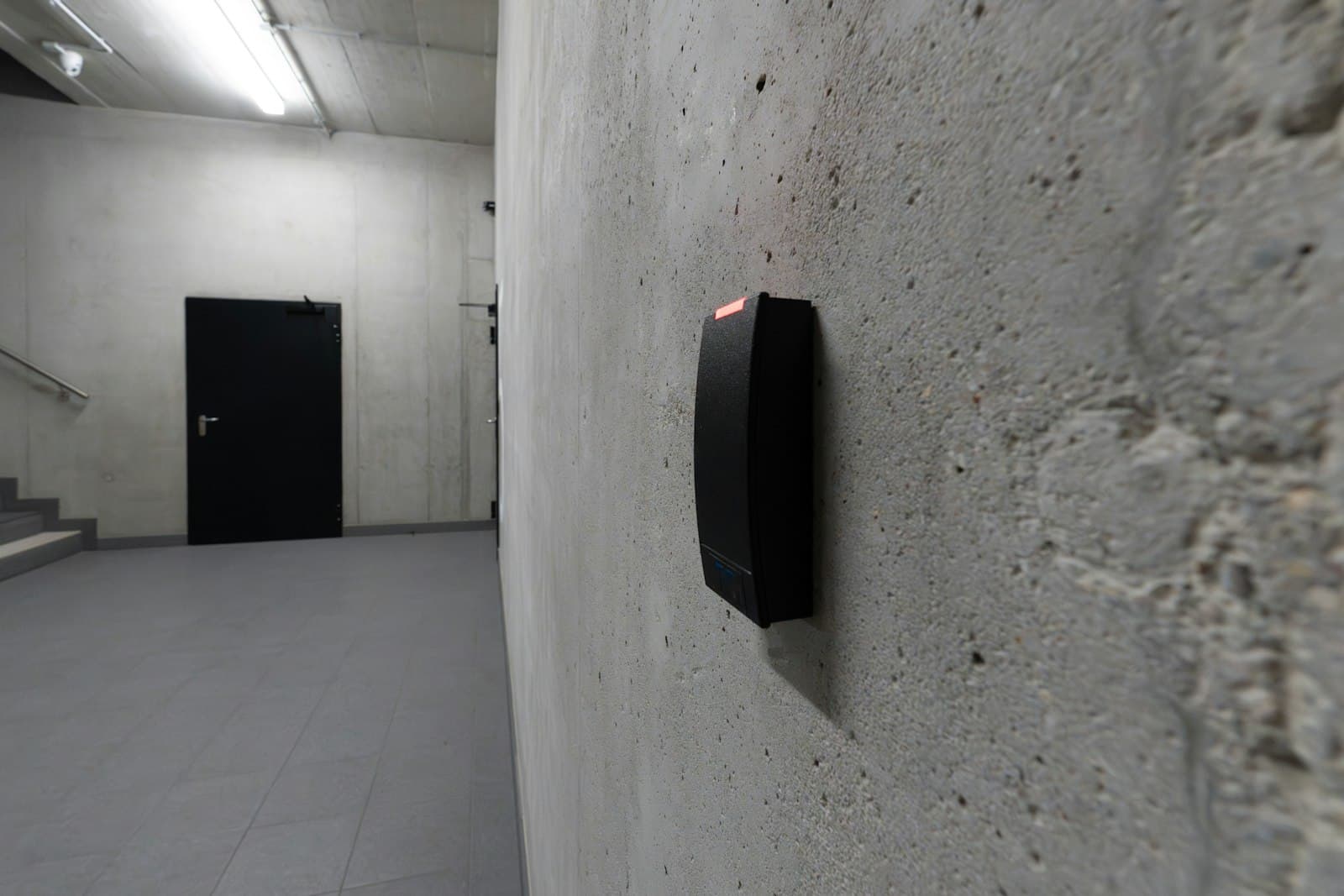
Access control


Send us the building, the distances and the problem you are solving. We will come back with a survey date and an honest view of what it takes.
Ask an engineer