24 hour support for existing clients


24 hour support for existing clients
Wave Fiber Technologies1 min read
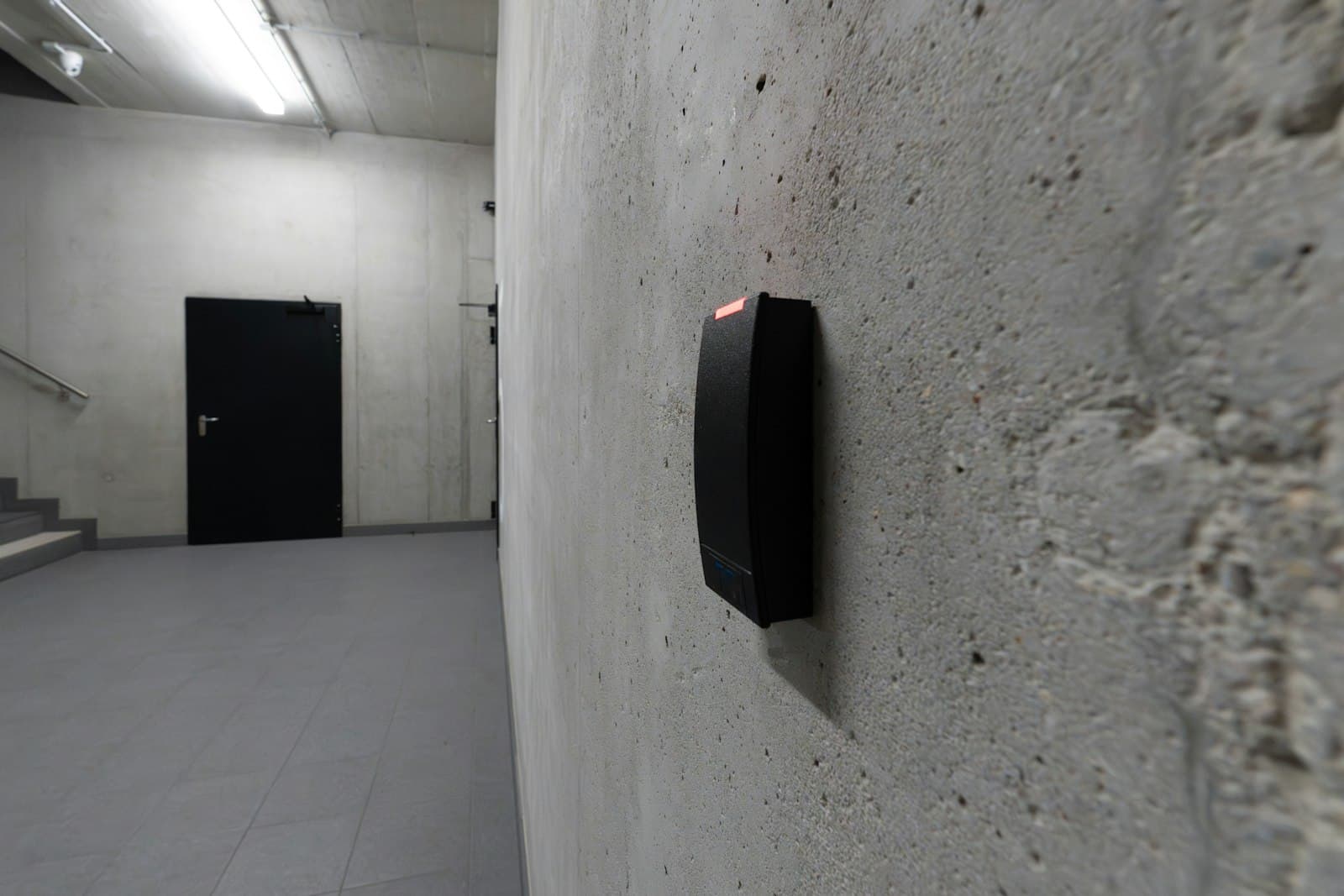
Ask an office of forty people who holds a key to the server room and you will usually get a confident answer and a wrong one. Keys are copied, lent, inherited from someone who left, and kept in a drawer that everyone knows about.
A key opens a door and keeps no record. Past a certain size that is not a security model, it is an assumption.
The problem is not that a key is insecure. It is that a key records nothing. When something goes missing, the lock cannot tell you who came through it, so the investigation starts from rumour.
Access control replaces both weaknesses at once. A credential is issued to a person, carries the rights that person needs, and can be revoked in seconds without touching the door. Every grant and every refusal is logged with a time, and if the door is covered by a camera the log and the footage line up.
The design decision that matters is scope. Rights should follow roles and schedules, not individuals. A contractor gets weekday daytime access to one zone. A night shift supervisor gets the doors that shift needs. Set up this way, a new starter is a role assignment rather than a set of decisions nobody records.
Doors still have to be safe. Every controlled door needs its fail-safe or fail-secure behaviour decided against the fire strategy, and emergency egress must never depend on a reader having power. That is a design question, settled on paper before hardware is chosen.
Done properly the result is quieter than people expect. Nobody carries a bunch of keys, leavers stop being a security event, and the question of who was where has an answer rather than an argument.
Written by the engineers who do the work, and worth reading against the date it carries: what is true of this equipment changes.
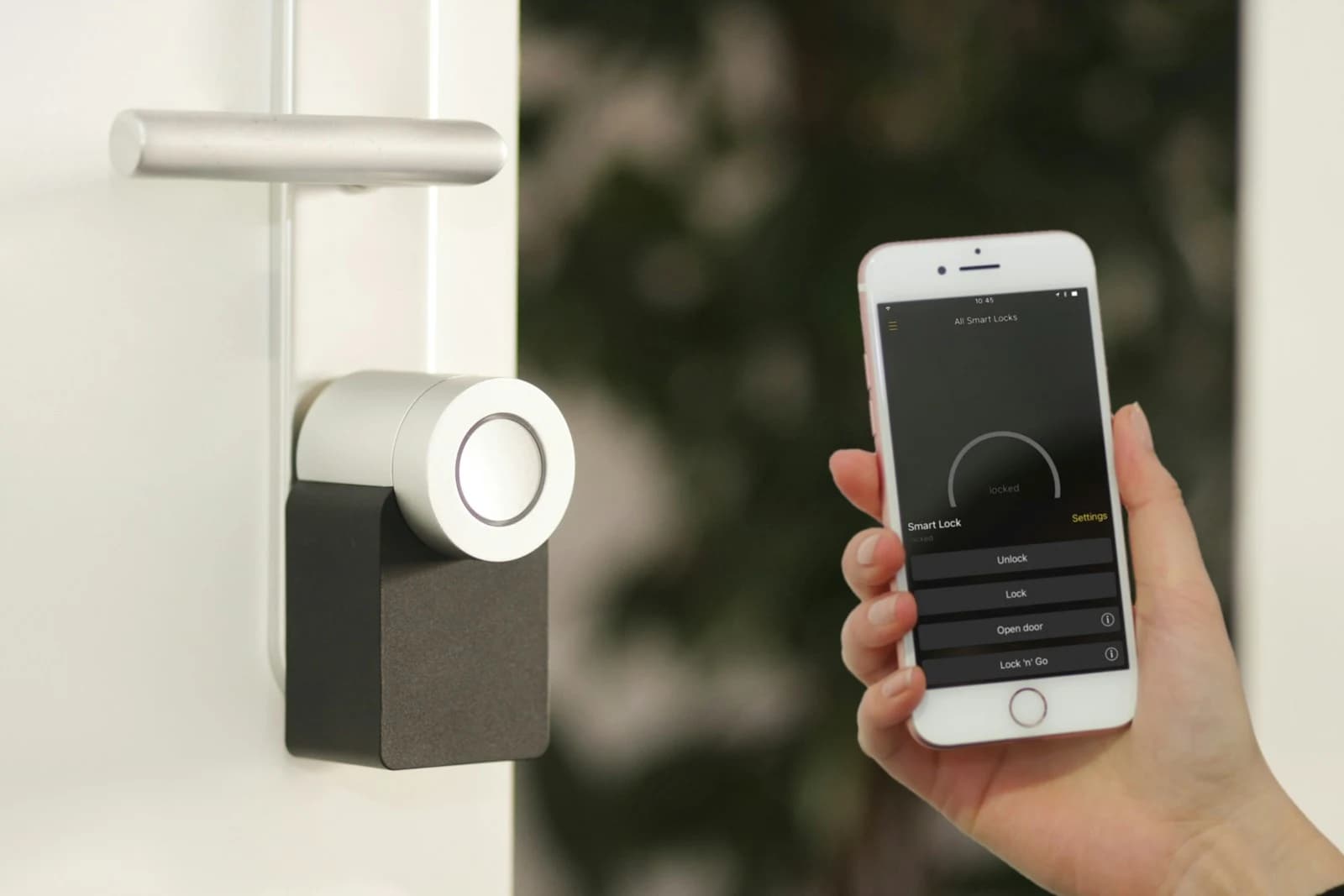
Access control

Access control
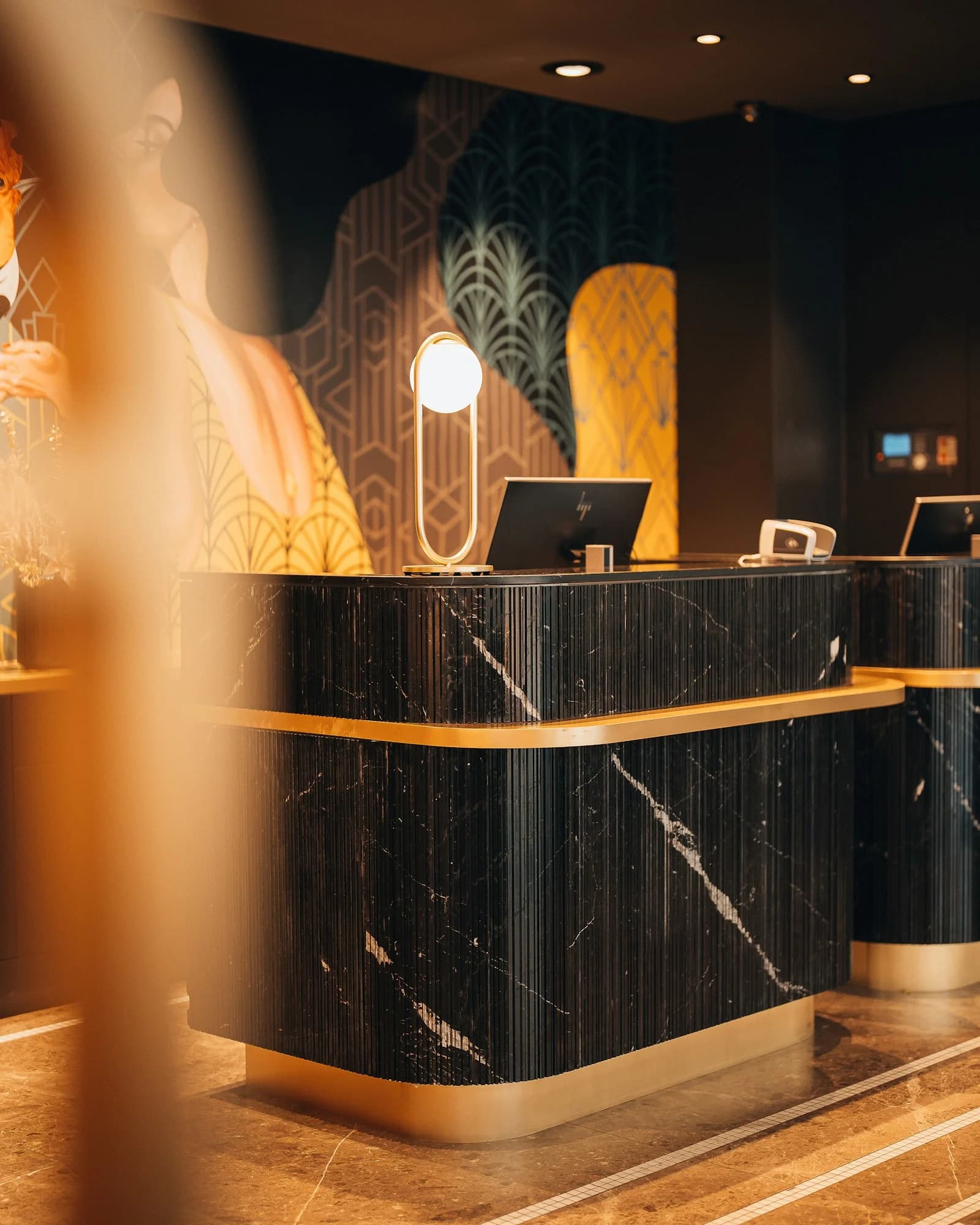
Access control


Send us the building, the distances and the problem you are solving. We will come back with a survey date and an honest view of what it takes.
Ask an engineer