24 hour support for existing clients


24 hour support for existing clients
Wave Fiber Technologies2 min read
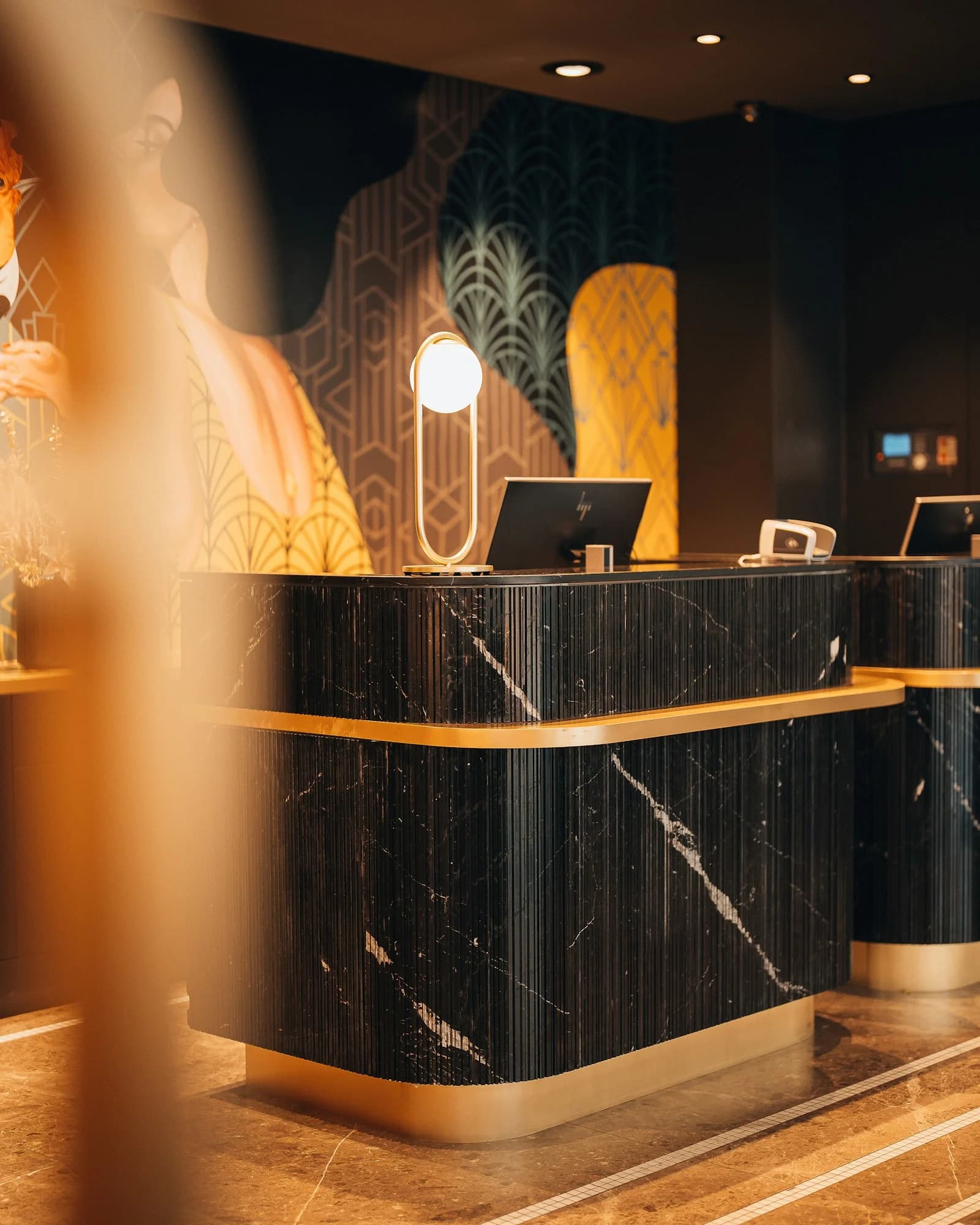
Every hotel that asks us about card locks starts with the guest rooms, which is right, and usually stops there, which is a missed opportunity. Guest room locks solve a guest problem: a lost key stops being a lock change and becomes a cancelled card. The doors that change how the hotel actually runs are the ones the guests never see.
Guest rooms are the obvious answer and the least interesting one. The doors that change how a hotel runs are the ones behind the desk.
Take the store. In most small hotels the store is a padlock and a key held by whoever is on duty, which means the key is effectively held by everyone who has ever been on duty. Put a reader on it and two things happen at once: stock losses become attributable, and the argument about who was in there at eleven at night has an answer instead of a suspect.
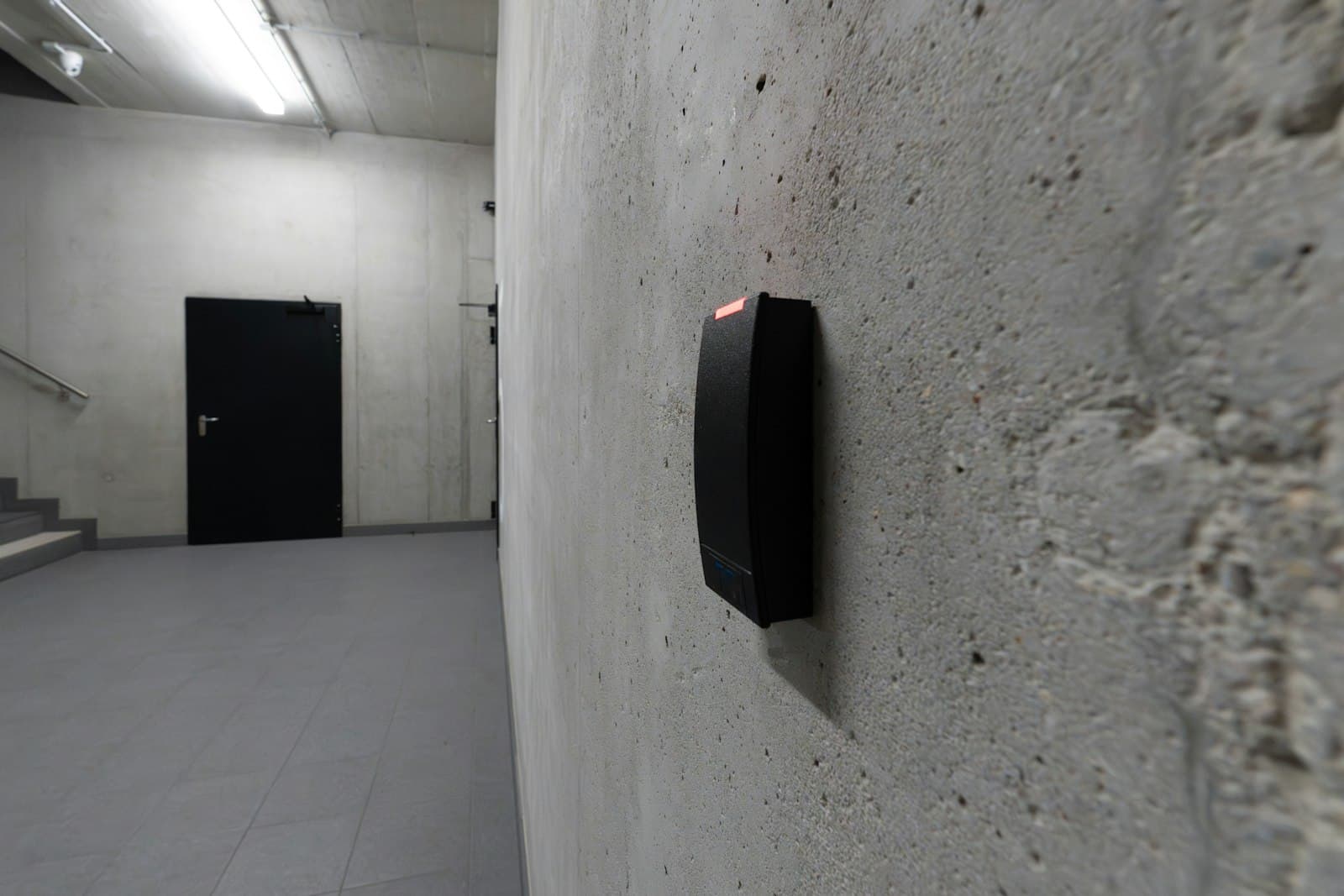
The same applies to the back office, the server or comms cupboard, the laundry, the plant room and the roof hatch. None of them is glamorous. All of them are places where the question "who went in" currently has no record.
Staff-only doors off public corridors are the next tier. A door that is meant to separate guests from the working part of the building is doing nothing if it is propped open at breakfast, and a card lock with a door contact will at least tell you that it is being propped. That is a housekeeping fact before it is a security one.
The main entrance is a judgement call and often the wrong place to start. A hotel that locks its front door overnight and lets guests in by card is making a decision about how its night staff work, and the lock is the least important part of that decision. If there is somebody on the desk all night, the card adds little. If there is not, it adds a great deal.
Two design points matter more than the hardware. The first is that rights should follow roles: housekeeping gets rooms and the linen store on their shift, maintenance gets plant and roof, the duty manager gets everything. Set up that way, a new starter is one assignment rather than a set of decisions nobody writes down, and a leaver is one revocation.
The second is power and egress. Every controlled door needs its behaviour in a fire decided on paper, before anything is bought, and getting out must never depend on a reader having power. This is not a detail to settle on site with the installer.
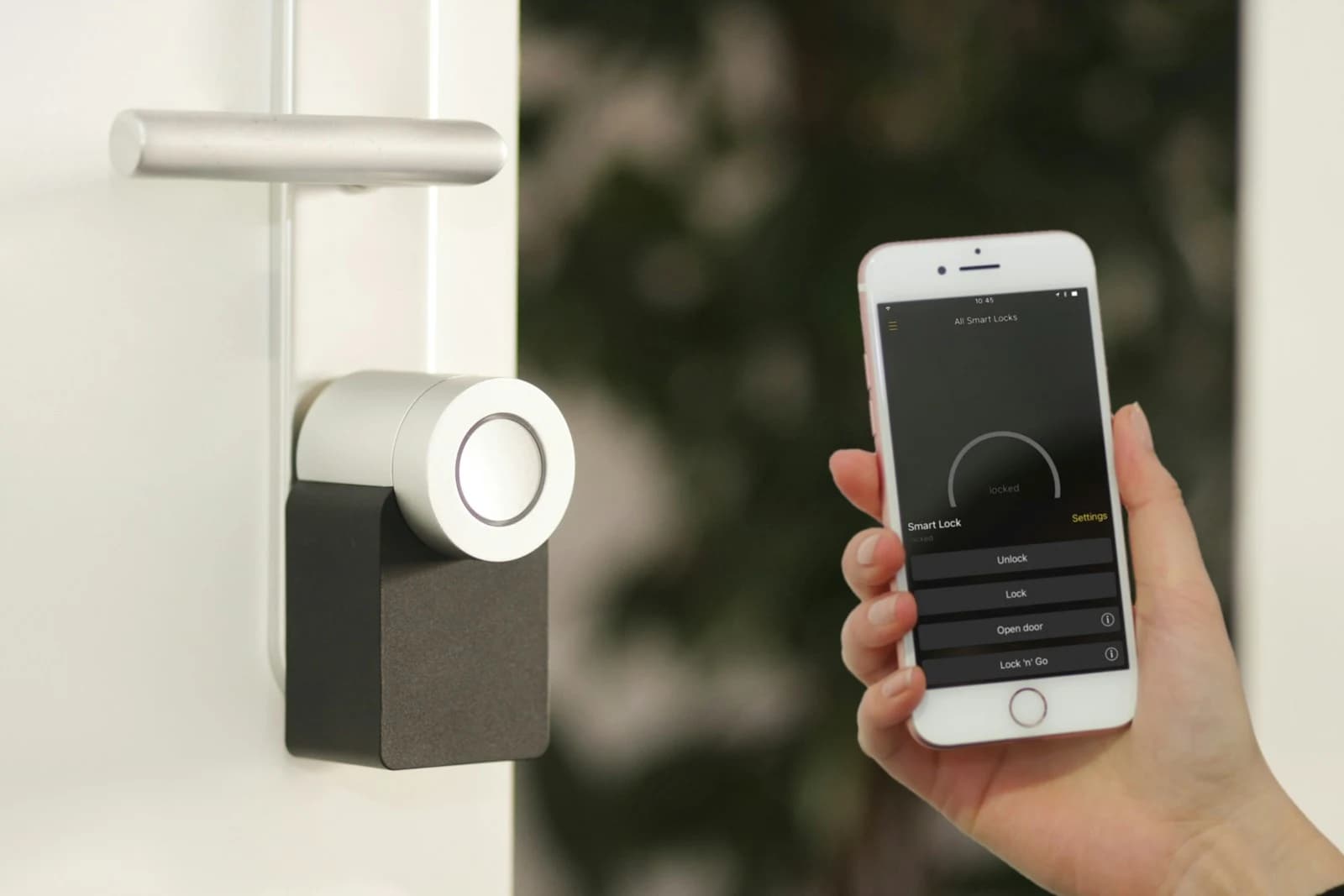
Then there is the unglamorous part that decides whether the system is still in use in three years: battery changes. Card locks on room doors run on batteries and they will go flat, usually on a Friday. A hotel that has a rota for it never notices. A hotel that does not ends up propping doors, and a propped door is worse than the lock it replaced.
Written by the engineers who do the work, and worth reading against the date it carries: what is true of this equipment changes.
Access control

Access control
Access control


Send us the building, the distances and the problem you are solving. We will come back with a survey date and an honest view of what it takes.
Ask an engineer