24 hour support for existing clients



24 hour support for existing clients
Wave Fiber Technologies2 min read
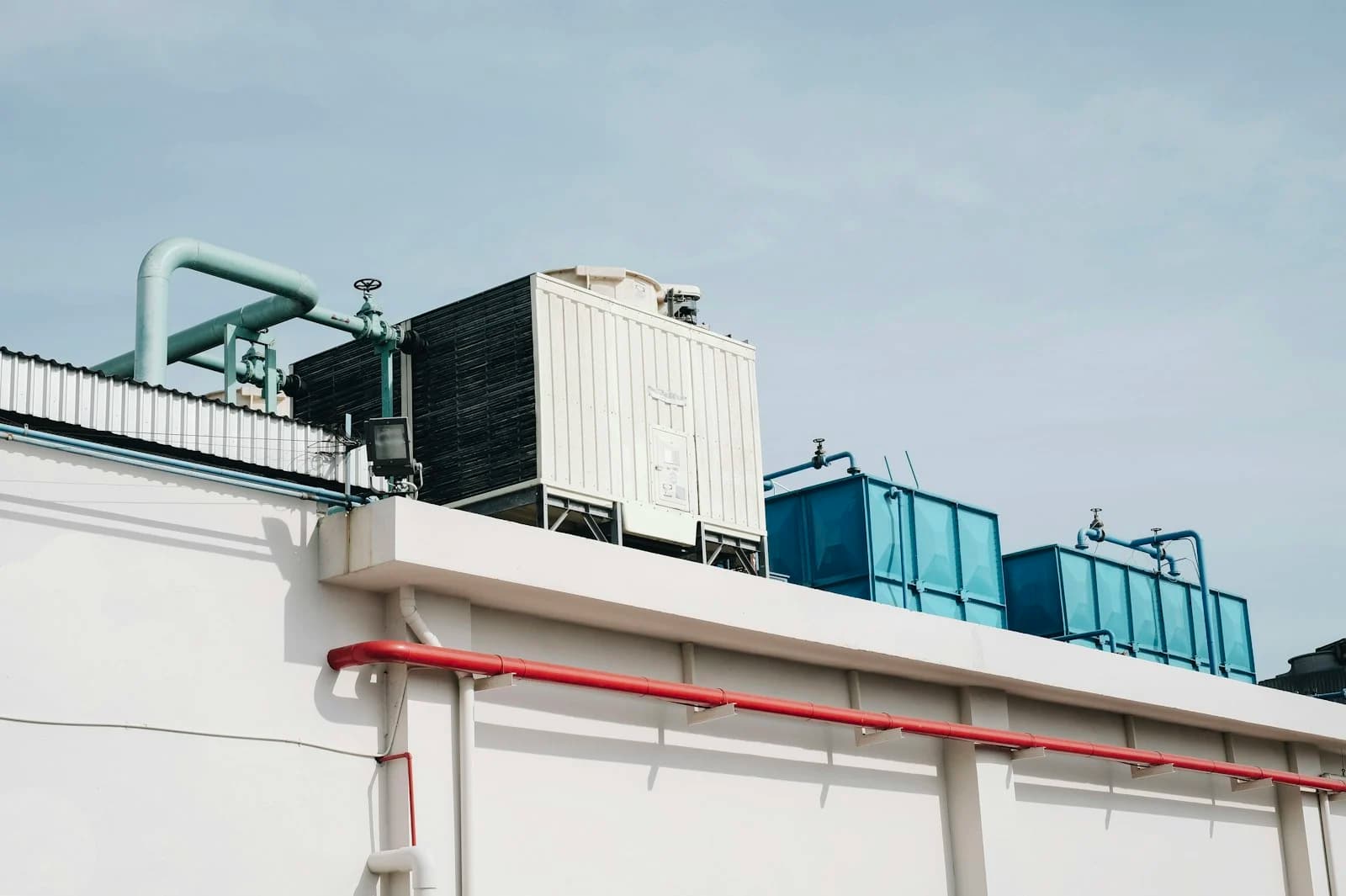
A site with a standby generator usually knows two numbers: what it paid for fuel and what the tank gauge said at the end of the month. Between those two numbers there is room for a great deal to happen, and the losses that matter are rarely dramatic. A tank drained overnight gets noticed. Twenty litres a week does not, and twenty litres a week is a meaningful sum by the end of a year.
Generator fuel goes missing slowly, and a monthly reading is exactly the wrong instrument for finding it.
The reason it hides is that consumption is genuinely variable. A month with more outages burns more fuel, so a higher figure always has an innocent explanation available. Without a record of when the generator actually ran, you cannot tell the difference between a bad month on the grid and a steady leak, and the argument goes in circles.
What closes it is measuring run hours alongside fuel. A generator has a known burn rate at a given load. Multiply the hours it ran by that rate and you have what it should have used. Compare that with what went in and what the tank says, and the gap is either real or it is not. Most sites have never made that comparison, and the first time they do is usually instructive.
Level sensing in the tank is the other half, and the value is in the frequency rather than the accuracy. A reading every few minutes shows you the shape of the curve: a slow decline while the set is running is consumption, a step down while it is idle is not. That step is the thing you are looking for, and a monthly dipstick can never show it.
There are honest explanations for a gap, and it is worth ruling them out before anyone is accused. A leaking return line, a tank that is not level so the gauge reads oddly, deliveries that are short, and a set running under heavier load than assumed will all produce one. So will a generator that is exercised weekly by a maintenance contract nobody told the finance office about.
The monitoring itself is not complicated: a level sensor, a run-hour signal from the controller, and something that logs both and alerts on a step change. It rides on the same network and the same backup power as your cameras, which is convenient, and it should also be wired so that the alert reaches a person rather than a screen nobody watches.
The strongest argument for it is not theft at all. It is that the generator is there for the night the grid fails, and a set with less fuel than the log claims is a set that stops halfway through the outage it exists for. Knowing the tank is full is worth more than knowing where the missing twenty litres went.
Written by the engineers who do the work, and worth reading against the date it carries: what is true of this equipment changes.




Send us the building, the distances and the problem you are solving. We will come back with a survey date and an honest view of what it takes.
Ask an engineer