24 hour support for existing clients



24 hour support for existing clients
Wave Fiber Technologies2 min read

A new office asks whether it needs cabling or whether good Wi-Fi will do, and the honest answer depends almost entirely on how many people will share the air and what they do with it. For a dozen people doing ordinary work, wireless alone is a sensible, cheap, fast decision. Somewhere on the way to a full floor that stops being true, and the crossover arrives earlier than the brochure suggests.
Access points are quick and cable is slow, which is true on day one and stops being the whole story surprisingly early.
The reason is that Wi-Fi is a shared medium. Every device on an access point takes turns with every other device on it, and the slowest device sets part of the pace. A cable is not shared: the machine at the end of it has that capacity to itself. So adding people to wireless degrades everyone gradually, while adding people to a switch costs a port.
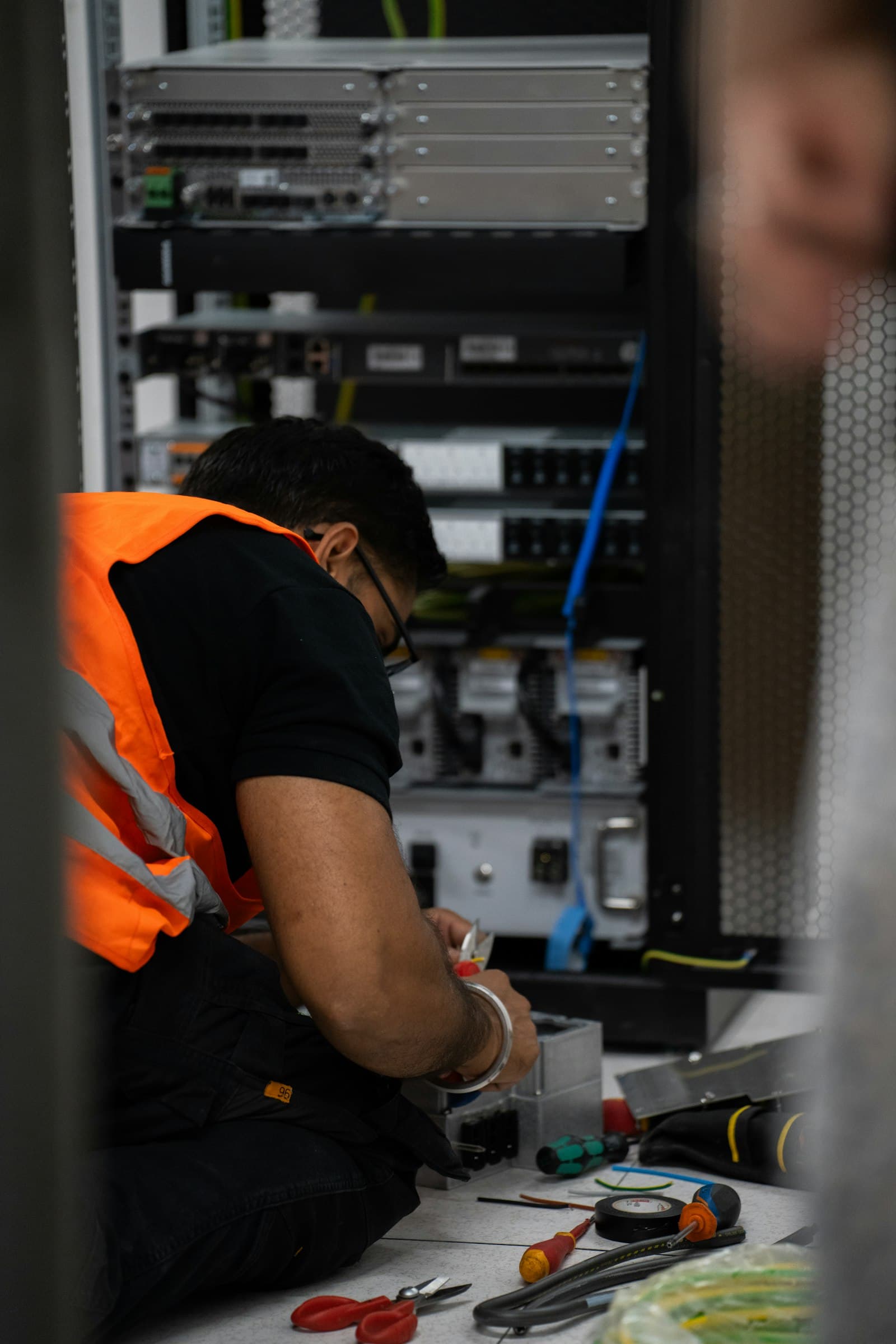
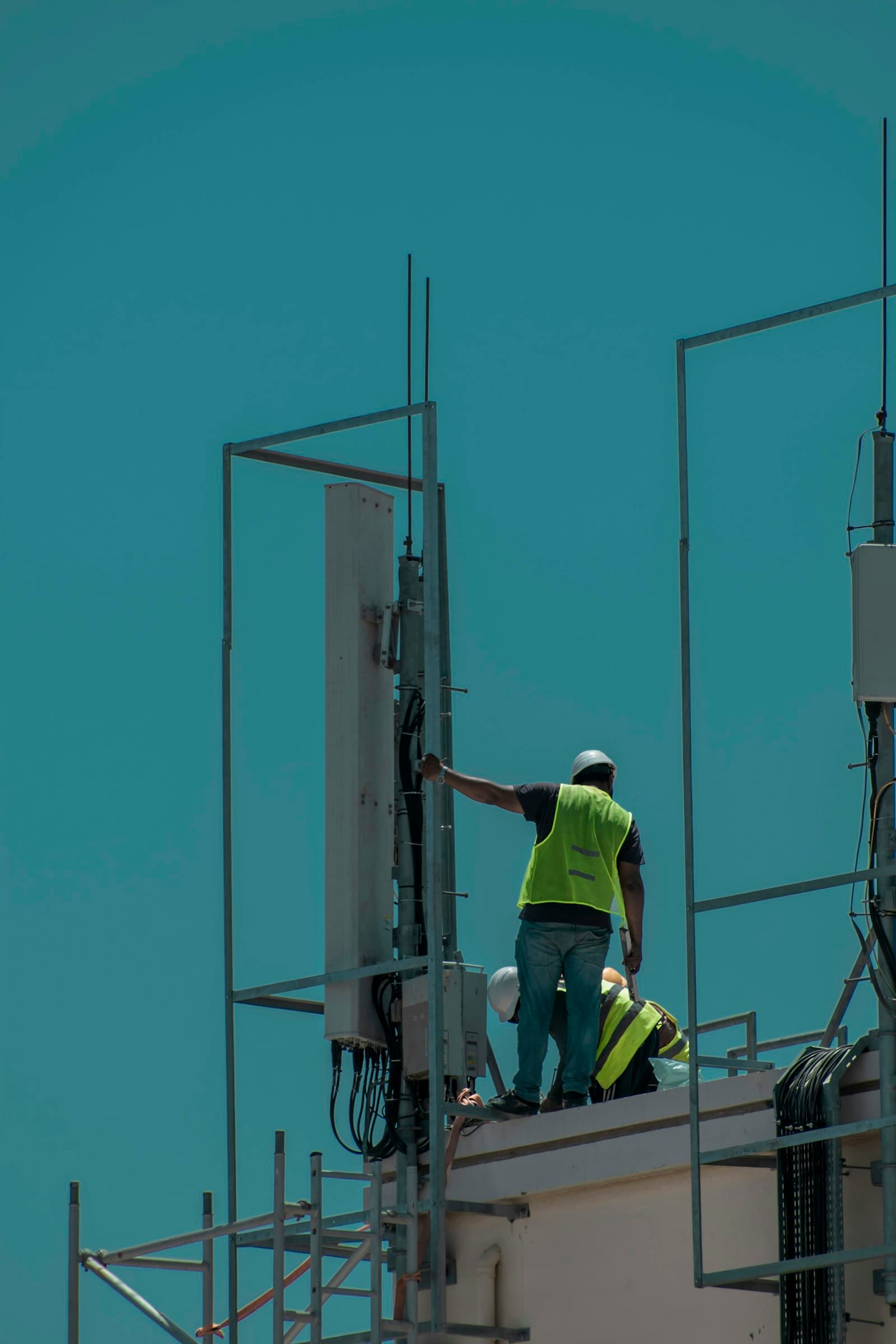
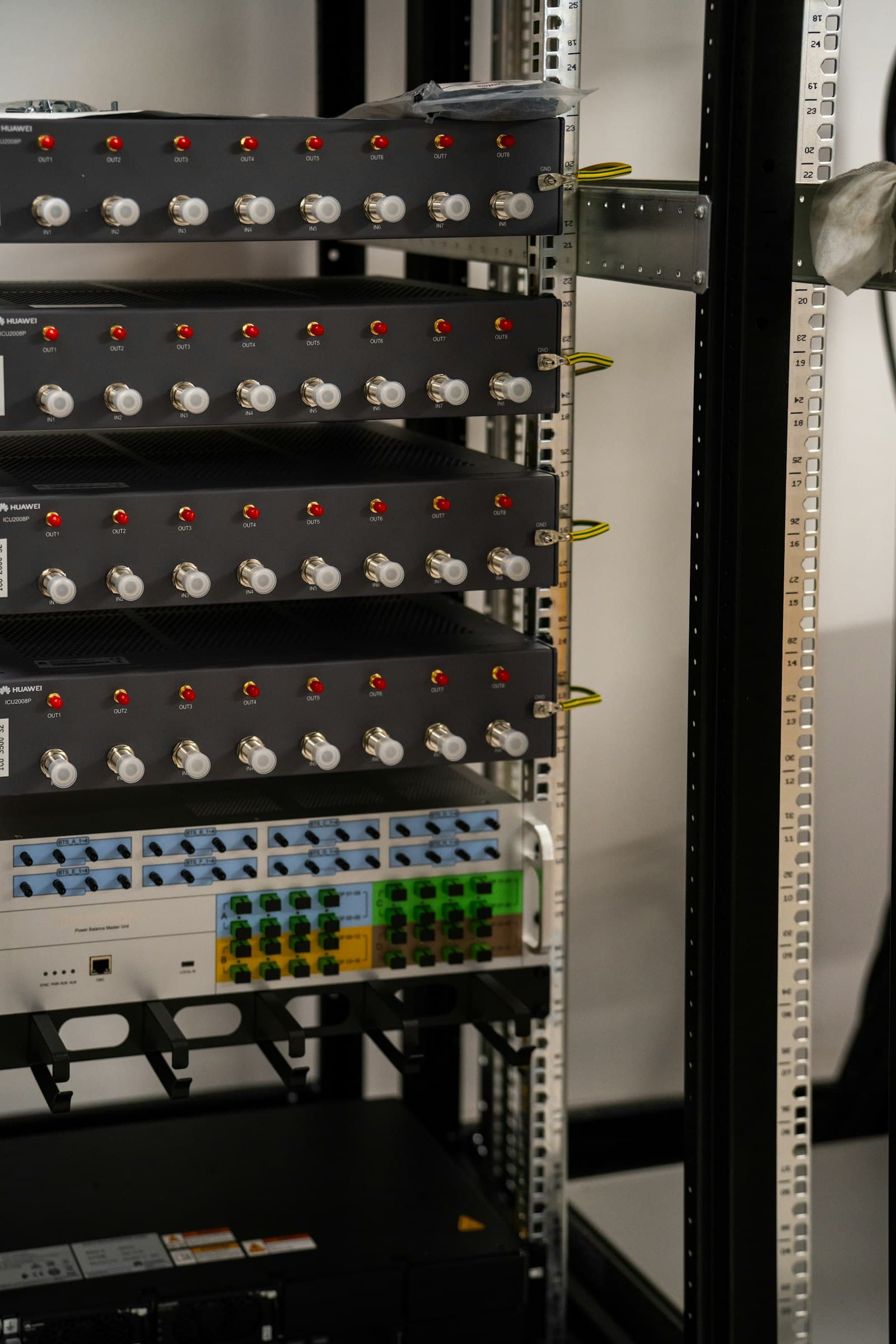
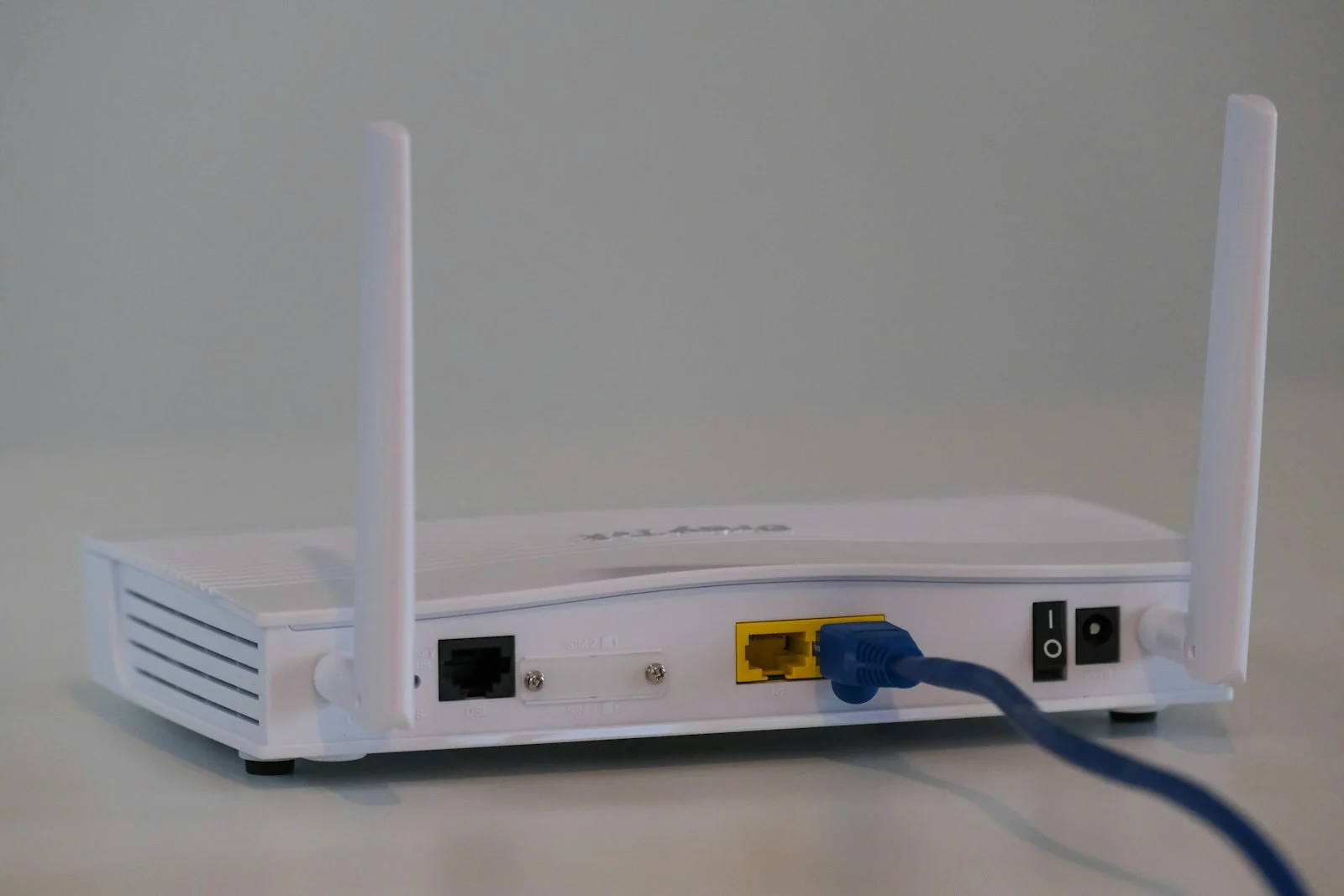
The second reason is that wireless is not actually wireless. Every access point needs a cable back to a switch, because that is how it gets both data and power. A site with twelve access points has twelve cable runs, done by someone on a ladder. Wireless does not remove cabling. It reduces the number of runs and moves them to the ceiling.
The place wireless wins outright is where cable cannot go: a listed or finished building, a warehouse where forklifts move, a yard, a temporary office, and the gap between two buildings where a point-to-point link is far cheaper than a trench. The place cable wins outright is anything that must not drop: cameras, access control panels, payment terminals, desktop phones, and the machines people actually work on all day.
Most real sites are both, and the useful question is not which but where the line sits. Our usual answer is that anything fixed gets a cable and anything that moves gets Wi-Fi, because the failure modes are different: a cable fails when somebody cuts it and wireless fails when the building gets busy, and only one of those is predictable.
The cost comparison people run is also the wrong shape. Cabling is nearly all first cost and then almost nothing for a decade or more. Wireless is a smaller first cost and a replacement cycle: access points are superseded, and a site that standardised on one generation will replace all of them together. Over ten years the two converge, and the cabled site is the one that did not have a bad year in the middle when headcount grew faster than the air could carry.
The one decision worth making early, whichever way you go, is to put in more cable than you need while the ceiling is open and the walls are unfinished. Spare runs cost very little during a fit-out and a great deal afterwards, and they are the cheapest insurance against a growth plan that changes.
Written by the engineers who do the work, and worth reading against the date it carries: what is true of this equipment changes.



Send us the building, the distances and the problem you are solving. We will come back with a survey date and an honest view of what it takes.
Ask an engineer