24 hour support for existing clients


24 hour support for existing clients
Wave Fiber Technologies2 min read
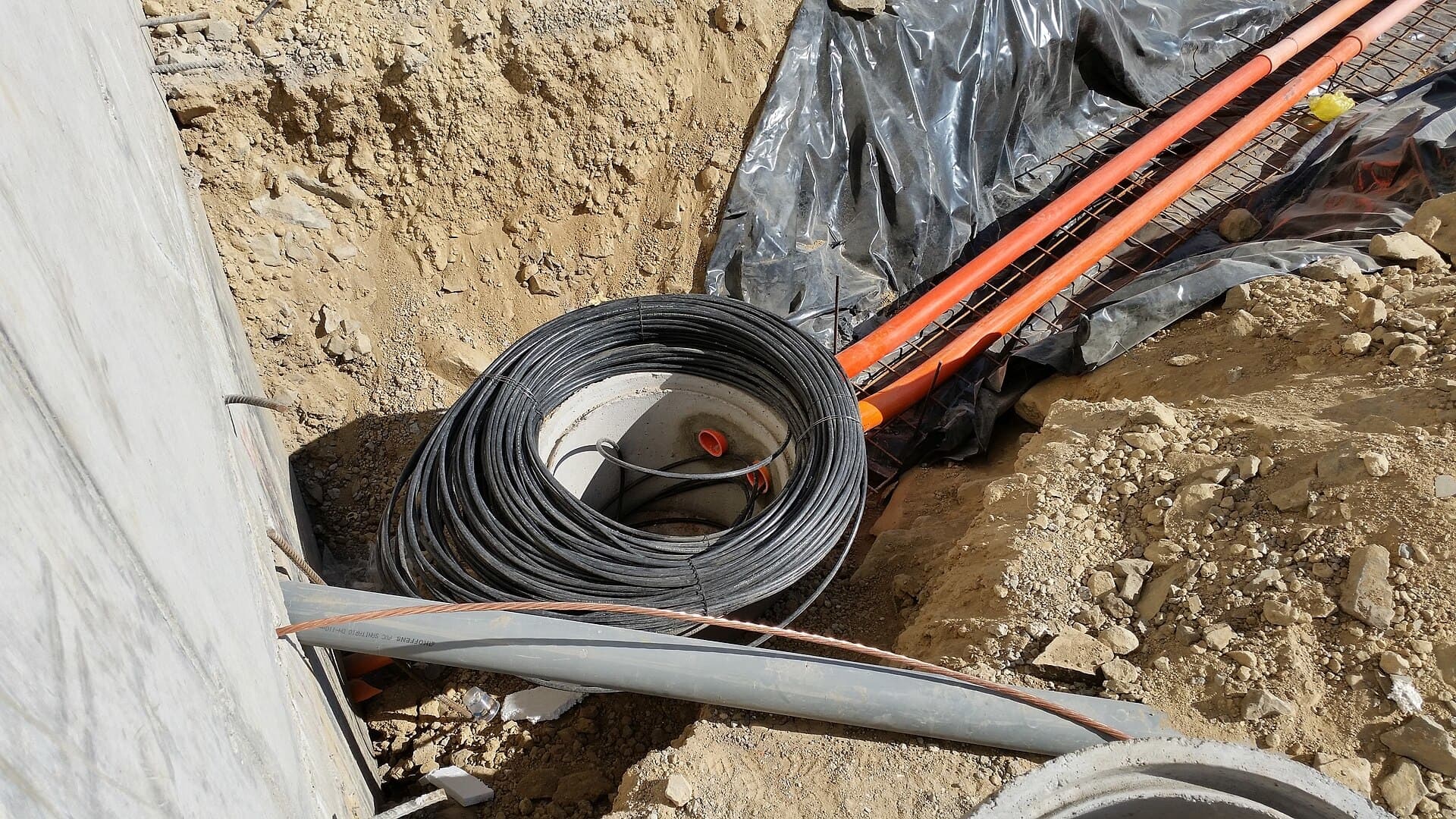
Estates, campuses and businesses often want new fibre runs finished before the end of the year, which puts a lot of trenching right in the middle of the short rains. It can be done well. It just cannot be done the same way as in a dry month.
Trenches flood, soil collapses and ducts fill with silt. Fibre can still be laid during the rains, but the job needs more care, and the shortcuts show up months later.
Wet soil is heavy and unstable. Trench walls can slump, especially in sandy or loose ground, and a trench left open overnight may be half full of water and mud by morning. Ducts laid in a flooded trench can float out of position or take in silt through an open end, and a duct full of silt is very hard to pull cable through later.
A fibre run is meant to last for many years. A badly ducted section is the one that fails first: a crushed duct, water in a joint closure or a route nobody can trace. Repairing an underground fault means digging again, often through a finished surface, so the extra care during installation is far cheaper than the repair.
For a long route, it is worth agreeing with the contractor how wet days will be handled before work starts, so nobody is tempted to rush a trench closed in the rain to stay on schedule. A short delay is cheaper than a flooded duct.
Wave Fiber Technologies lays, terminates and splices fibre, and installs structured network cabling for offices, estates and campuses across Kenya. Every quotation we issue is itemised, so you can see how the route will be built before work begins.
Photograph: Rubin Observatory/NSF/AURA, CC BY 4.0, via Wikimedia Commons.
Written by the engineers who do the work, and worth reading against the date it carries: what is true of this equipment changes.



Send us the building, the distances and the problem you are solving. We will come back with a survey date and an honest view of what it takes.
Ask an engineer

