24 hour support for existing clients


Security Systems
Biometric access control
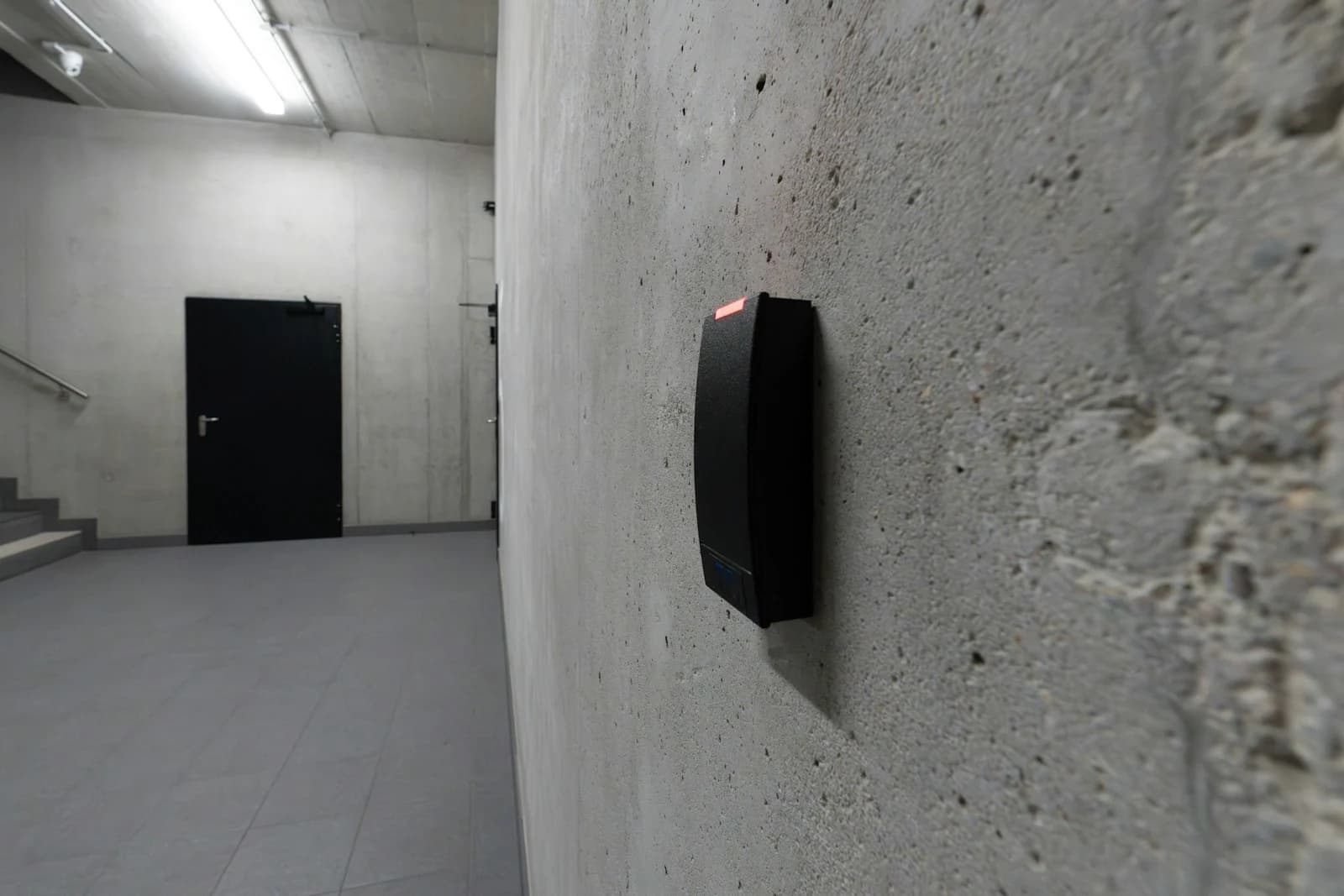
Fingerprint and facial recognition access systems for gates, doors and secure areas, replacing keys and access cards with credentials that cannot be lost, shared or duplicated. Biometric systems are widely used in offices, hotels, gated estates and institutions that need reliable attendance and access records.
What this is
Fingerprint and facial recognition access systems for gates, doors and secure areas, replacing keys and access cards with credentials that cannot be lost, shared or duplicated. Biometric systems are widely used in offices, hotels, gated estates and institutions that need reliable attendance and access records.
A key can be copied and a card can be lent to someone it was not issued to; a fingerprint cannot be either. That is the practical reason offices and institutions move to biometric access, not novelty: every entry is tied to the actual person who made it, which is also what makes the attendance and access log genuinely useful rather than a record of whoever was holding a card.
Fingerprint readers are the standard choice for cost and speed. Facial recognition suits higher security areas or entrances where someone should not have to stop and touch a reader, such as a hands full delivery entrance, but costs more and needs reasonable lighting to read reliably.
What is included
- Fingerprint access control for gates and doors
- Facial recognition options for higher security areas
- Attendance and access logging for offices and institutions
- Multi user management for staff, residents or guests
How it works
From first call to handover
Site survey to decide which doors and gates need a reader
Reader installation, fingerprint or facial recognition as you choose
User enrolment and access group setup for staff, residents or guests
Testing and handover with attendance or access logging switched on
Pricing
How this is billed
Priced per reader plus the enrolment work, confirmed at the site survey. Larger user counts, for an estate or an institution, are quoted as a bulk enrolment rate rather than a per person charge.
After installation
Support and servicing
Readers carry the manufacturer warranty, and enrolment software issues, such as a fingerprint that stops reading reliably, are usually a re-enrolment rather than a hardware fault. Call the support line for a reader not responding, a locked out user, or an access log that looks wrong.
Questions
What people ask before booking
- What happens if someone cuts their finger or their print will not read?
- Every user is enrolled with more than one finger where the reader supports it, and most systems fall back to a PIN or a card for exactly this reason, so a temporary injury does not lock anyone out.
- Can access be different for different people, like staff versus visitors?
- Yes. Users are set up in groups with their own permitted doors and hours, so a cleaner can be given access only during working hours and a visitor a single temporary credential, without touching anyone else's access.
- Does the system keep a record of who came and went?
- Yes, that log is one of the reasons institutions choose biometric over cards: every entry is tied to the actual person, and the log can be exported for attendance or security review.

Ask about biometric access control
Send us the building, the distances and the problem you are solving. We will come back with a survey date and an honest view of what it takes.
Request a site survey